Canada’s Strategic Energy Pivot Amid Global Instability
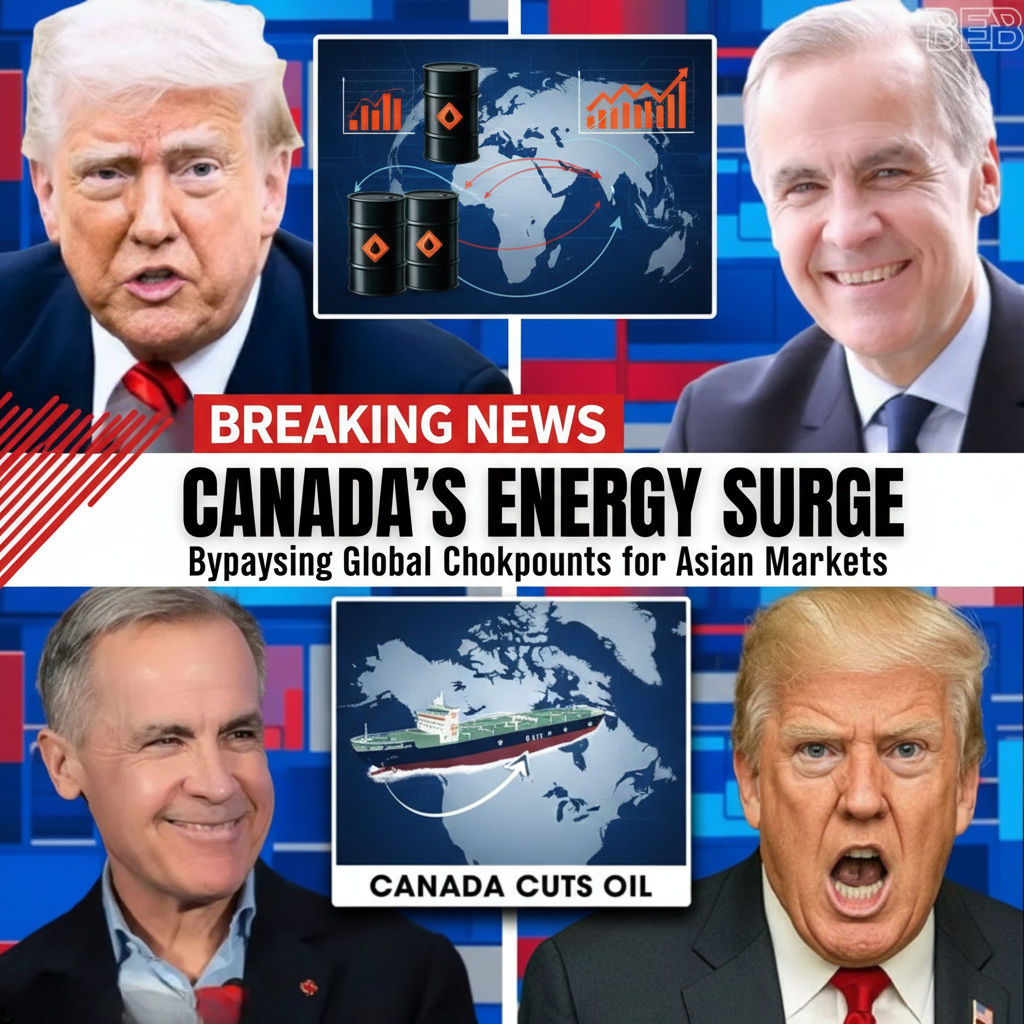
As the Strait of Hormuz—the world’s most critical energy corridor—faces unprecedented disruptions, the global energy landscape is undergoing a fundamental transformation. While Middle Eastern supplies remain stalled, Canada has emerged as a pivotal alternative, leveraging its vast reserves and newly expanded infrastructure to provide stability to international markets.
The Trans Mountain Expansion: A Game Changer
At the heart of Canada’s new leverage is the Trans Mountain pipeline expansion. This massive infrastructure project has tripled the capacity of oil flowing from Alberta to the Pacific coast, moving approximately 890,000 barrels of crude per day. Crucially, this route allows tankers to reach Asian markets in about ten days, bypassing the volatile shipping lanes of the Persian Gulf entirely.
Diversifying Beyond the North American Market
For decades, Canadian energy producers were largely captive to a single buyer: the United States. This dependency often forced producers to sell at significant discounts. However, with the new Pacific-facing infrastructure, Canada is gaining the bargaining power it has long lacked. Markets in India, Japan, and South Korea are now looking toward the North as a reliable partner for:
- Crude Oil: High-volume exports via the Pacific.
- Liquefied Natural Gas (LNG): The upcoming LNG Canada terminal is set to revolutionize gas exports.
- Uranium: Fueling the global shift toward nuclear energy.
Geopolitical Implications for the Future
Canada holds the world’s fourth-largest proven oil reserves, totaling 163 billion barrels. As energy-importing nations prioritize diversification to protect their economies from geopolitical shocks, Canada’s role as a secure and democratic energy provider is becoming indispensable. This shift not only strengthens Canada’s economy but also provides a necessary buffer for global energy security during times of crisis.