The Great Decoupling: How the 49th Parallel Became an Economic Divide
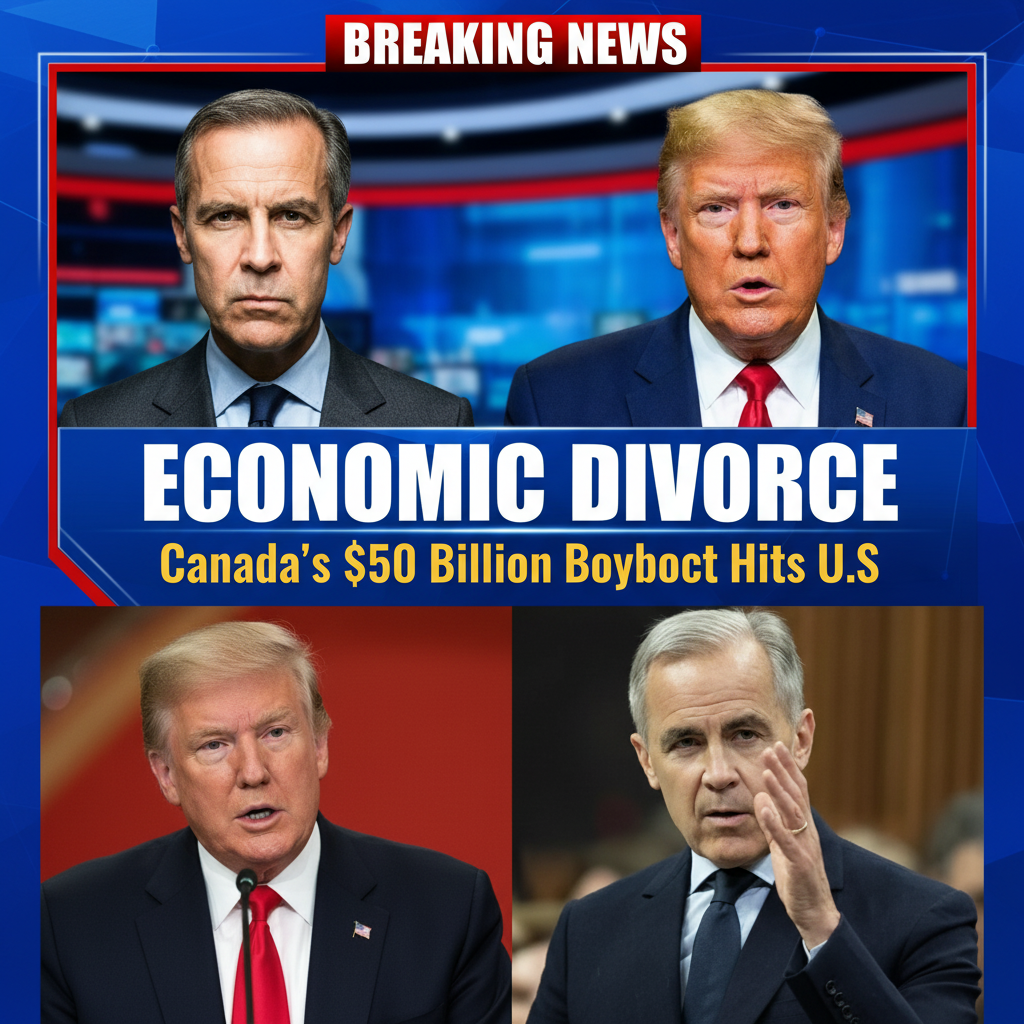
In what experts are calling the most significant structural shift in North American history, the economic relationship between Canada and the United States is undergoing a painful “divorce.” Under the leadership of Prime Minister Mark Carney, a grassroots movement is actively redirecting billions of dollars away from American soil.
Border Communities and Tourism in Crisis
The impact of this behavioral shift is being felt most acutely in U.S. border states. For decades, these regions relied on a “structural dependency” of Canadian visitors. Recent data reveals a stark reality:
- New Hampshire: A 30% drop in Canadian visitors and a 71% plunge in state-run campground reservations.
- Montana: Border crossings have fallen by 19%, leaving a significant tourism vacuum.
- Aviation: Airlines like WestJet and Air Transat have slashed capacity, with some canceling Florida routes entirely.
Instead of traditional U.S. destinations, Canadian travelers are flocking to Mexico and Europe, with Toronto-to-Cancun now surpassing major U.S. hubs in air traffic passenger numbers.
The “Liquor Lockdown” Hits the Heartland
The conflict has extended beyond travel into the retail sector. After Canadian provinces removed American spirits from government-run shelves, sales of U.S. liquor plummeted by 66% nationwide. In Ontario, the decline reached 80%, forcing major Kentucky distilleries to halt production due to the lost revenue and decreased demand.
Strategic Autonomy and the Future
Prime Minister Carney remains firm on building “strategic autonomy.” Since taking office, he has secured 12 new economic agreements across four continents, diversifying Canada’s trade away from its southern neighbor. With polling suggesting that over 60% of younger Canadians believe it will take years to repair the relationship, this economic shift appears to be more than a temporary trend—it is a fundamental restructuring of the North American economy.