Global Energy Markets in Turmoil Following Strait of Hormuz Blockade
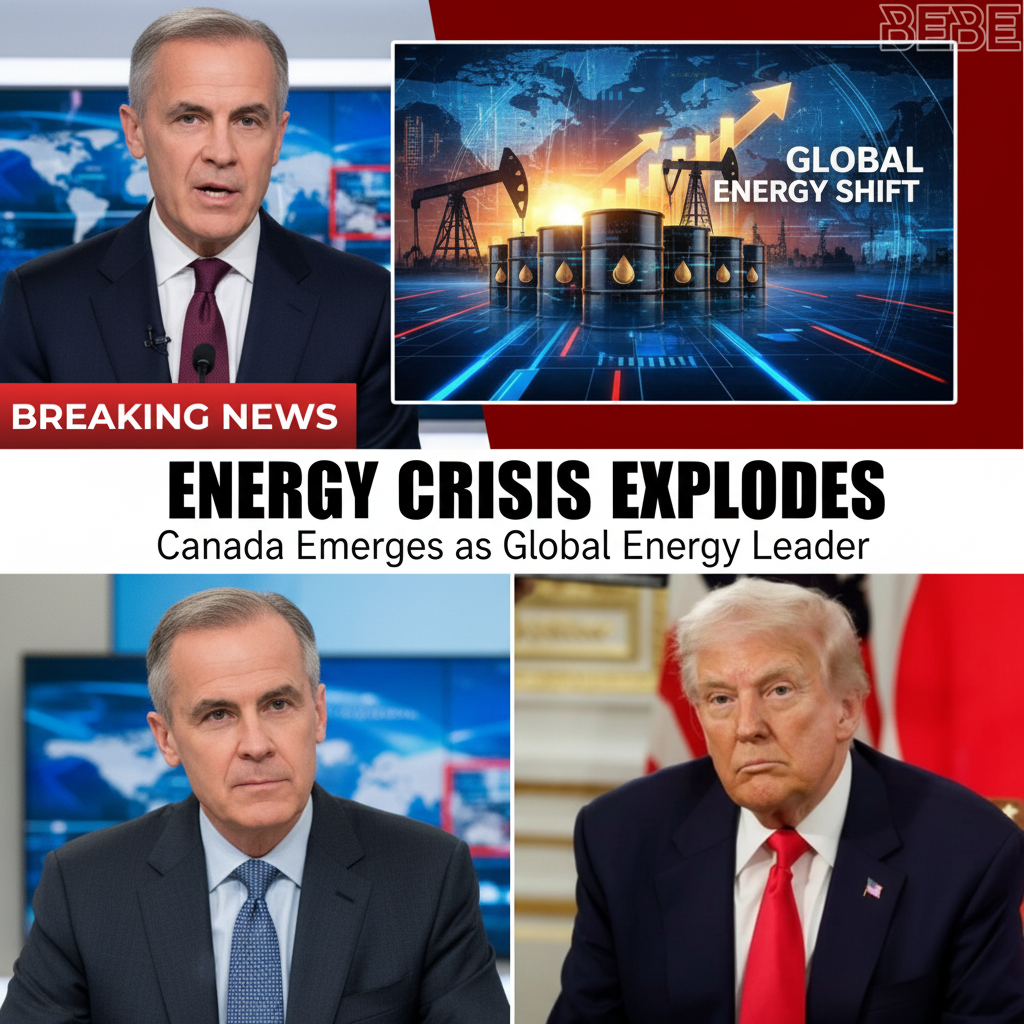
The global energy landscape faced a historic shock this week as oil prices surged past $119 per barrel. This rapid 70 percent increase occurred in less than ten days, following the strategic closure of the Strait of Hormuz. Analysts warn that the world is facing a supply crisis unlike any seen in recent decades.
The Impact of the Middle Eastern Supply Shock
The Strait of Hormuz is the world’s most vital energy artery, carrying nearly 30 percent of all globally traded oil. The blockade, initiated in early March, has effectively frozen the movement of between 60 and 80 tankers daily. Complicating the situation further, attacks on production facilities in Qatar have taken significant liquefied natural gas (LNG) supplies offline, creating a dual-energy crisis for Europe and Asia.
- Price Surge: Crude oil rose from $67 to nearly $119 per barrel.
- Stranded Vessels: Over 150 tankers are currently anchored, unable to depart due to lack of maritime insurance.
- Economic Fallout: Major economies like Japan and South Korea are desperately seeking alternative energy sources.
Canada: The New Strategic Energy Alternative
Amidst the chaos, Canada has emerged as a surprisingly powerful player. With approximately 163 billion barrels of proven oil reserves, Canada ranks fourth globally in energy potential. Unlike Middle Eastern supplies, Canadian exports via the Trans Mountain Pipeline flow directly to the Pacific coast, bypassing geopolitical flashpoints entirely.
New alliances are already forming. Canada recently signed a multi-billion dollar strategic agreement with India and is strengthening ties with Japanese and South Korean energy markets. While infrastructure limitations mean Canada cannot replace Gulf supplies overnight, the shift signifies a fundamental change in how the world views energy security.