World Cup 2026 Faces Unprecedented Political Pressure as Boycott Calls Grow
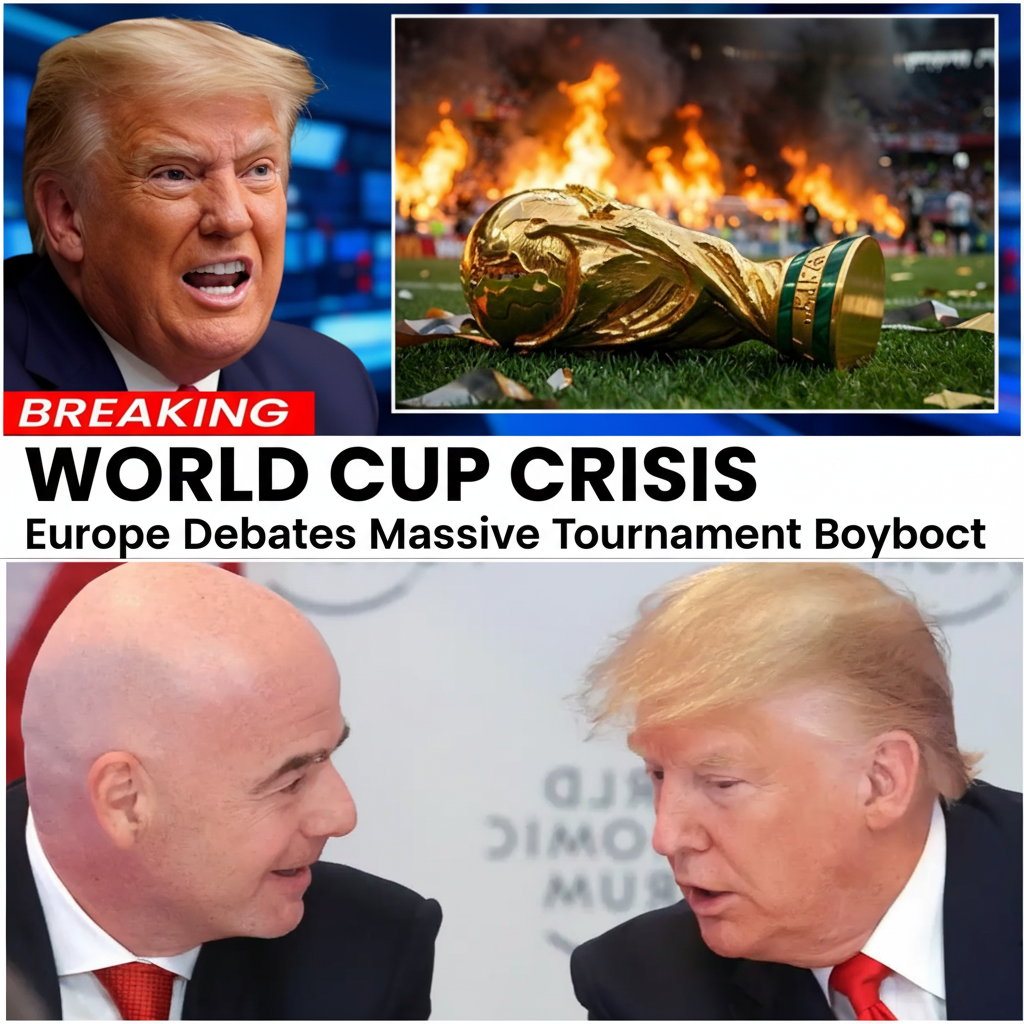
The 2026 FIFA World Cup, set to be the largest in history with 48 teams, is navigating a turbulent political landscape. As preparations for the tournament in the United States, Canada, and Mexico accelerate, a wave of dissent is rising across Europe, threatening to overshadow the sporting spectacle scheduled for June and July 2026.
European Nations Debate Participation
In the Netherlands, a massive public campaign has gathered over 150,000 signatures urging the national team to boycott the event. Similar sentiments are surfacing in Germany and the United Kingdom, where political figures and citizens alike are questioning whether the tournament should be used as a platform for diplomatic protest. While official football associations have yet to endorse a withdrawal, the scale of public discourse is historic.
Key Issues Fueling the Tension
Several factors are contributing to the current unease:
- Immigration and Visa Concerns: Stricter travel restrictions and visa scrutiny have raised alarms about the accessibility of the tournament for fans and staff from specific regions.
- Geopolitical Developments: Recent shifts in international relations have complicated the diplomatic environment.
- Economic Stakes: With projected revenues of $10 billion, the financial implications of any disruption are immense.
The Intersection of Sport and Diplomacy
FIFA leadership remains in close coordination with the host administrations to ensure the event’s success. However, critics argue that the 2026 edition is becoming increasingly entangled in global disputes. Supporters of the tournament point out that major sporting events have historically faced political challenges, suggesting that the 2026 World Cup should be viewed through the same lens as previous competitions.
As the opening match approaches, the world watches to see if the spirit of international competition can prevail over the political forces shaping the modern era.