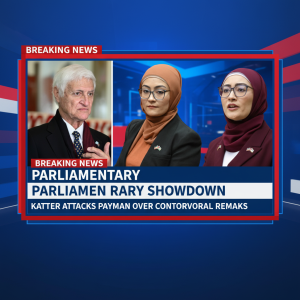
Tensions Flare at House Judiciary Committee Hearing
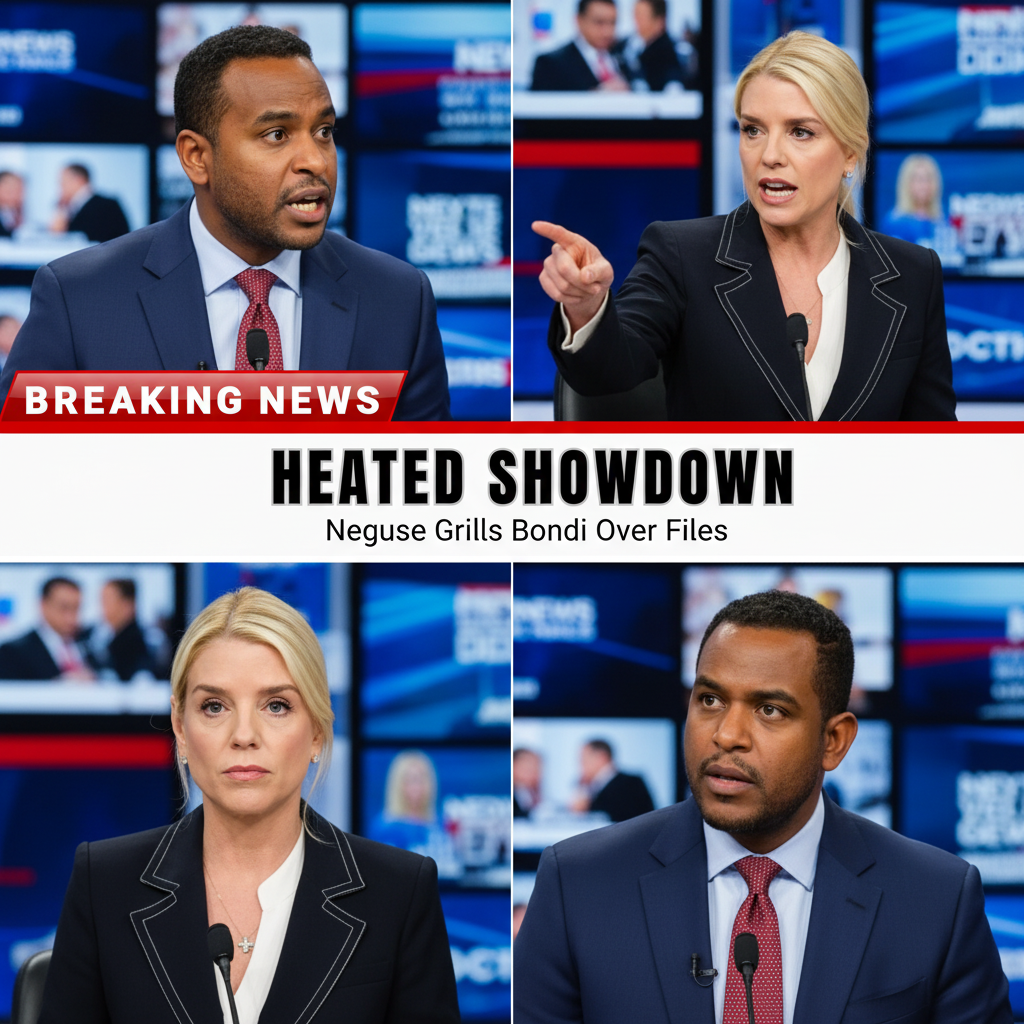
The House Judiciary Committee recently witnessed a significant confrontation between Representative Joe Neguse and Attorney General Pam Bondi. The discussion centered on the Department of Justice’s management of sensitive case files and the criteria used for public document redactions. What began as a routine oversight session quickly evolved into a rigorous debate regarding transparency and the protection of high-profile individuals within official reports.
Allegations of Selective Transparency
Representative Neguse presented evidence suggesting a disparity in how the Department of Justice handles public disclosures. He highlighted that while certain personal details of individuals involved in past investigations were left visible, the identities of powerful associates often remain heavily redacted. Key points raised during the inquiry included:
- Document Redactions: Questions over why specific names and financial records remain classified while other sensitive data is released.
- Task Force Closures: Inquiries into the sudden termination of investigative units focused on offshore financial networks.
- Consistency of Standards: A comparison of current disclosure practices against those of previous administrations.
Department of Justice Response
Attorney General Bondi defended the department’s actions, citing national security concerns and the need to follow established legal protocols for sealed matters. She emphasized that the department remains focused on broader issues, such as border security and law enforcement priorities. However, the exchange has reignited a national conversation about whether the legal system is providing equal transparency regardless of an individual’s status or political connections. As lawmakers consider further subpoenas, the demand for unredacted records continues to grow among public advocacy groups.