The $1.5 Billion Question: FBI Faces Intense Scrutiny Over Epstein Financial Leads
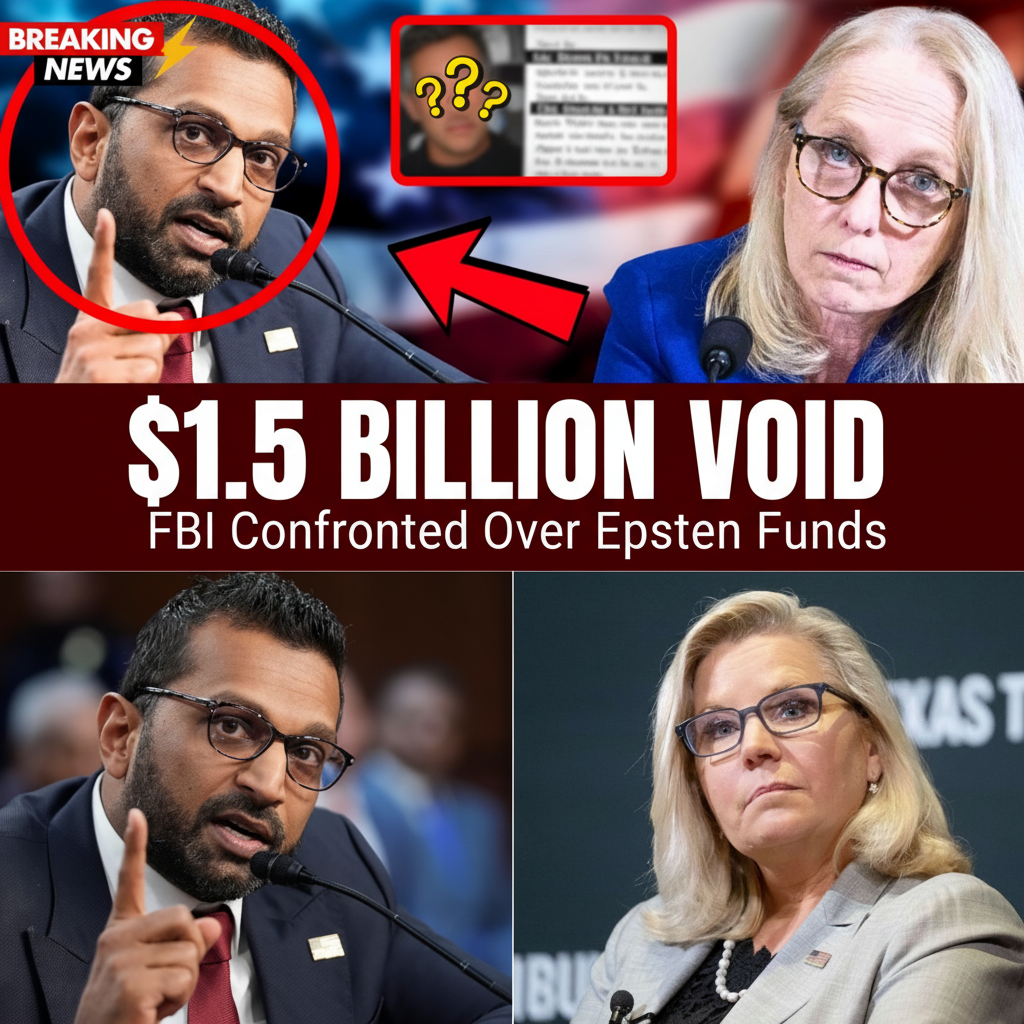
In a dramatic turn of events during a Congressional oversight hearing on March 11, 2026, Pennsylvania Representative Mary Gay Scanlon executed what many are calling a ‘surgical audit’ of the FBI’s handling of the Jeffrey Epstein investigation. The focus was a staggering $1.5 billion in suspicious transactions flagged by major financial institutions.
The ‘Follow the Money’ Doctrine Under Fire
Representative Scanlon confronted FBI Director Cash Patel, holding him to his previous commitments to ‘follow the money.’ The audit highlighted that four major American banks, including J.P. Morgan and Deutsche Bank, had submitted Suspicious Activity Reports (SARs) totaling over $1.5 billion directly to federal authorities. These transactions are allegedly linked to Epstein and his network of co-conspirators.
- J.P. Morgan: Flagged over $1 billion in SARs regarding allegations of enabling activities.
- Deutsche Bank: Reported hundreds of millions in transactions linked to private networks.
- Additional Entities: Accounted for an additional $300M to $500M currently under review by federal agencies.
The ‘Treasury Shuffle’ Defense
When questioned about the FBI’s lack of action on these specific leads, Director Patel shifted responsibility, suggesting the Treasury Department held the lead role. Scanlon countered this ‘Treasury Shuffle,’ arguing that while Treasury collects data, the FBI is the primary agency responsible for investigating the crimes facilitated by these funds, such as exploitation and trafficking.
The hearing also touched upon the role of high-powered attorneys and wealth managers who structured these payments. Scanlon pointed out that the $1.5 billion did not move through the global financial system without professional facilitation. The lack of current subpoenas for these facilitators remains a central point of contention in the ongoing quest for transparency and accountability.