Canada’s Parliamentary Realignment: A Strategic Move Amid Trade Tensions
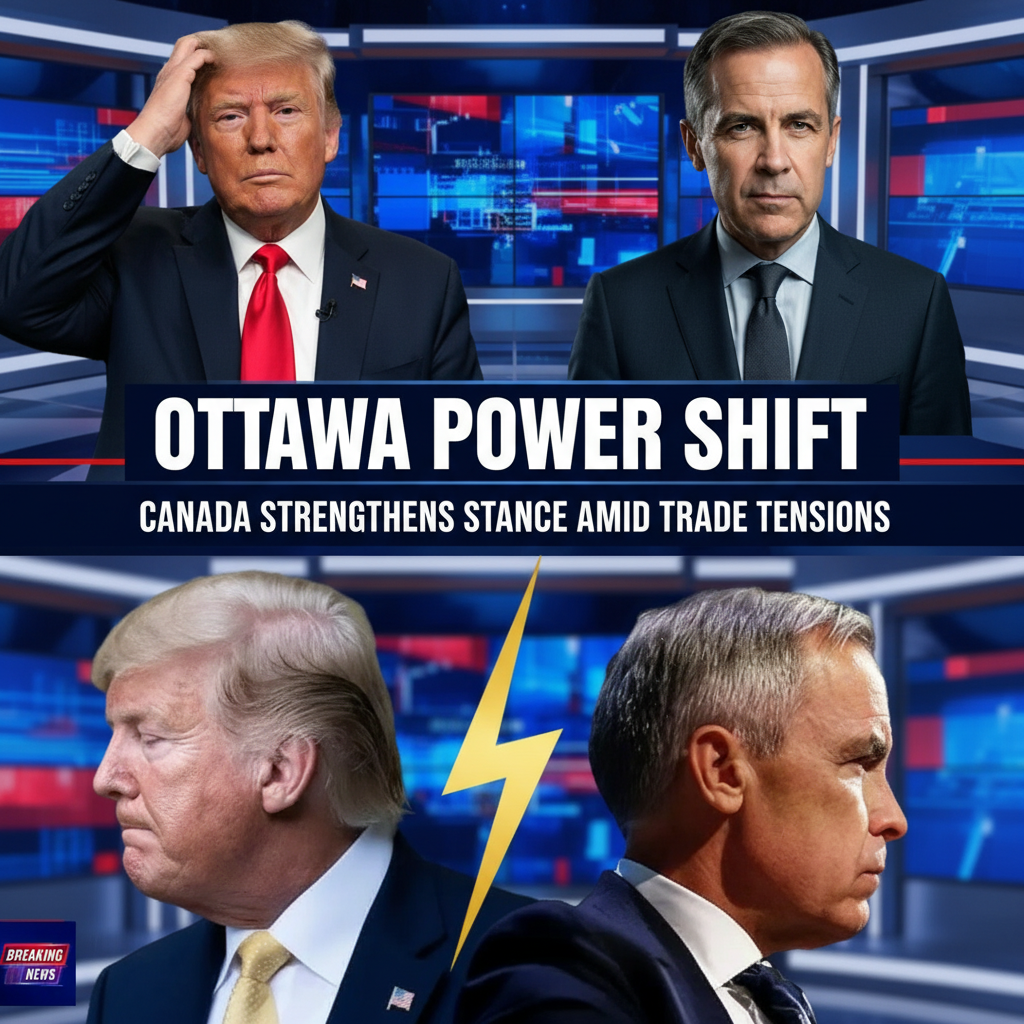
The political landscape in Canada is undergoing a significant transformation. Recent shifts within the Parliament have reportedly strengthened the position of the governing Liberal Party, moving the administration closer to a stable working majority. This development is being closely monitored by analysts, as it coincides with a period of escalating trade friction with the United States.
Strengthening the Domestic Front
In a parliamentary system, a government without a clear majority often faces hurdles in passing critical legislation. However, with this recent increase in support, the government may find it easier to approve major policy decisions without heavy reliance on opposition parties. Key areas of focus include:
- Defense Spending: Meeting international alliance commitments.
- Trade Diversification: Expanding partnerships beyond North America.
- Infrastructure Investment: Strengthening Arctic and northern networks.
- Energy Sovereignty: Protecting domestic supply chains and resources.
The Impact on U.S.-Canada Relations
While the two nations remain primary economic partners, disputes over steel, agriculture, and energy subsidies continue to surface. A more politically stable government in Ottawa could lead to a firmer negotiating position. Washington is paying close attention, not because of a break in the alliance, but because a confident Canadian government might push harder for national interests during trade talks.
Ultimately, this parliamentary shift highlights the deep connection between domestic politics and international diplomacy. As Canada looks to bolster its economic independence, the outcome of upcoming legislative sessions will be pivotal in shaping the future of North American trade.