Ohio “House of Horrors” Case: The Alleged Secret Testimony, New Questions and the Search for the Truth Behind a Disturbing Investigation

A shocking new wave of attention has surrounded the Ohio case often described by the public as a “House of Horrors” investigation, after claims emerged suggesting that previously unknown information could challenge the understanding of what happened.
Reports circulating around the case have focused on allegations of a recorded interview and statements that could potentially change how investigators view the role of certain individuals involved.
The claims have created intense public interest, especially surrounding allegations that one person previously viewed through one lens may have had a more complicated role in the events under investigation.
However, legal experts caution that dramatic claims involving leaked recordings, hidden testimony or new accusations must be carefully verified before they can alter the official understanding of a criminal case.
In any investigation, the difference between allegations and proven facts is critical.
The truth must ultimately come from evidence examined through the legal system.
A Case That Captured National Attention
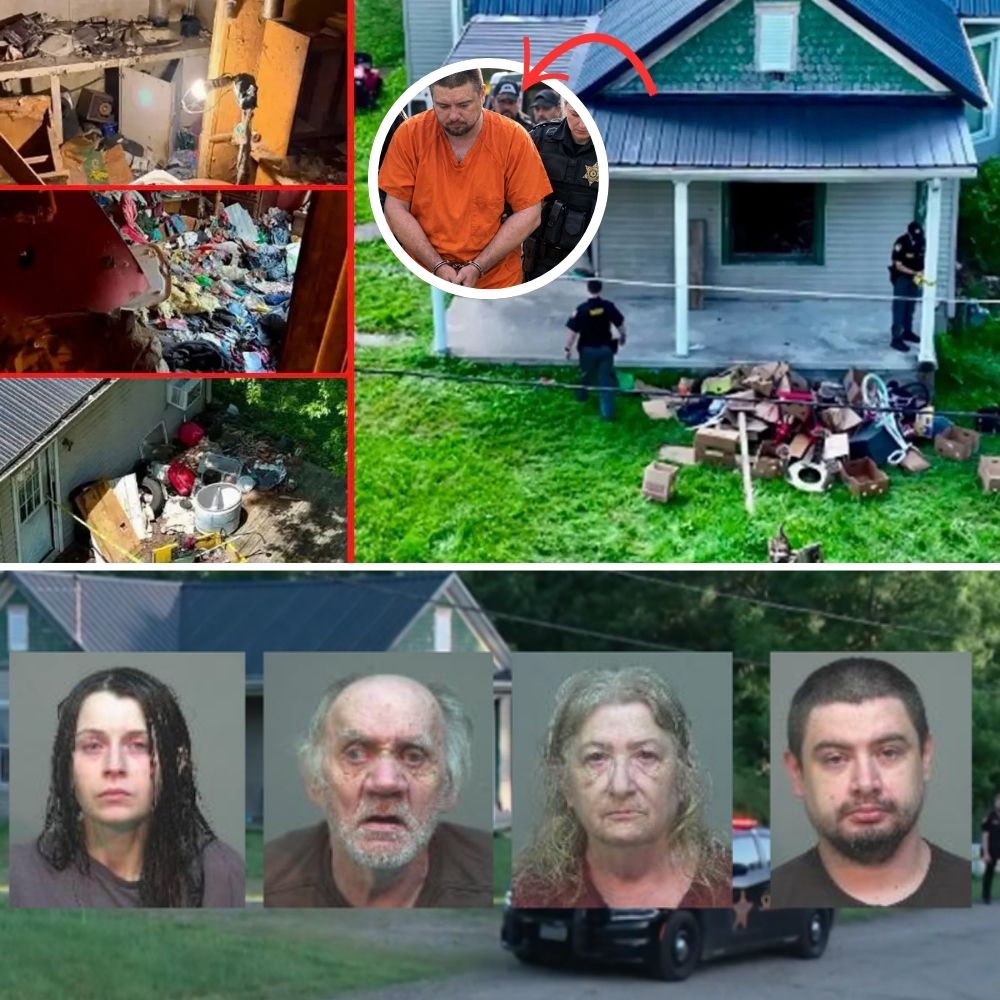
The Ohio case drew widespread attention because of the disturbing allegations surrounding a private residence and the individuals connected to it.
Cases involving alleged crimes inside homes often generate intense public reaction because they challenge assumptions about safety, trust and relationships.
When investigators enter a situation involving serious accusations, their task is not simply to identify what happened.
They must also understand:
Who was involved?
What role did each person play?
Were there victims?
Were there individuals responsible?
Were there others whose actions contributed to the situation?
These questions often require extensive investigation.
The Complexity Behind Criminal Cases
High-profile criminal investigations are rarely as simple as they first appear.
Initial reports may focus on one person or one explanation, but additional evidence can sometimes create a more complicated picture.
Investigators often examine:
- Witness statements
- Digital communications
- Financial records
- Physical evidence
- Medical information
- Timelines of events
Each piece of evidence must be evaluated carefully.
A statement from a witness may provide important information, but it must also be tested for accuracy and consistency.
A recording may appear significant, but investigators must confirm when it was made, who created it and whether it accurately reflects events.
Claims of a New Testimony
Recent discussion surrounding the case has focused on claims that a witness named Christina may have provided information that challenges previous assumptions.
According to unverified reports circulating online, the alleged statement suggested that Elizabeth was not responsible in the way some believed and may have been affected by circumstances beyond her control.
If such testimony exists and is verified, investigators would need to examine several important questions.
Was the statement made under proper legal conditions?
Does it match other evidence?
Are there independent sources supporting the claims?
Could it change the interpretation of events?
In criminal investigations, new information is always examined within the larger context of the entire case.
The Role of Witness Statements
Witnesses can play a critical role in criminal proceedings.
They may provide information about:
- Relationships between individuals
- Events leading up to an incident
- Conversations
- Behavior patterns
- Circumstances others did not see
However, witness testimony is also carefully challenged.
Attorneys may question:
Memory.
Motivation.
Accuracy.
Possible personal interests.
This process exists to help courts determine which information is reliable.
A powerful statement can attract public attention, but only evidence accepted through legal procedures can affect the outcome of a case.
Understanding Victims and Coercion
One of the most difficult issues in complex criminal cases is understanding whether an individual acted voluntarily or under pressure.
Experts who study abusive relationships and criminal networks have explained that some people may become involved in harmful situations because of:
- Manipulation
- Threats
- Fear
- Financial dependence
- Emotional control
However, every situation is unique.
Investigators must examine the specific circumstances of each person involved.
Determining whether someone was a victim, participant or responsible party requires careful analysis of evidence.
The Challenge of Assigning Responsibility
In complicated investigations, responsibility is not always straightforward.
Sometimes multiple people may have different levels of involvement.
Some individuals may directly participate.
Others may have knowledge but fail to act.
Others may be victims themselves.
The justice system must separate these possibilities based on evidence.
This is one reason investigations can take significant time.
The Importance of Digital Evidence
Modern investigations increasingly depend on digital information.
Phones, computers and online accounts can provide valuable details about relationships and timelines.
Investigators may examine:
- Messages
- Call records
- Photographs
- Location data
- Online activity
However, digital evidence also requires careful interpretation.
A message without context may be misunderstood.
A recording may not show the entire situation.
A single piece of information rarely tells the complete story.
The Danger of Leaked Information
When alleged leaks appear in high-profile cases, they often create immediate public reaction.
People want answers.
They want to understand what happened.
But leaked information can sometimes be incomplete or misleading.
Legal experts often warn that unofficial material may not include important context.
A single statement from an interview does not necessarily represent the full investigation.
The Human Impact Behind the Headlines
Beyond the legal questions are real people affected by the case.
Victims and families may experience lasting emotional consequences.
Communities may struggle to understand how such events could occur.
Individuals accused of crimes also face serious consequences even before a final judgment is reached.
This is why careful reporting matters.
Every person involved deserves accuracy and fairness.
Why the Case Continues to Attract Attention
The Ohio investigation has remained a topic of public discussion because it raises difficult questions.
How could alleged wrongdoing remain hidden?
Were warning signs missed?
Did some individuals have less control over their circumstances than outsiders understood?
Could new evidence change the direction of the case?
These questions explain why people continue following developments.
The Legal Process Must Decide
Regardless of public reaction, criminal cases are ultimately decided through evidence and legal procedures.
Investigators must verify claims.
Prosecutors must present evidence.
Defense attorneys must challenge accusations.
Judges and juries must evaluate the information presented.
This process may feel slow, but it exists to prevent conclusions being reached without proof.
What Happens Next?
If authorities confirm the existence of new testimony or recordings, the next steps would likely involve careful review.
Investigators would compare the information against existing evidence.
Legal teams would evaluate its significance.
The court would determine whether it can be considered.
Until that happens, many questions remain unanswered.
The Search for the Complete Truth
The Ohio “House of Horrors” case demonstrates how complex criminal investigations can become.
The first version of a story is not always the final one.
New evidence can provide additional information.
New testimony can create new questions.
But every claim must be tested.
The goal is not simply to create a dramatic headline.
The goal is to understand what truly happened.
As attention continues surrounding the case, investigators, legal professionals and the public remain focused on one thing:
Finding the truth through verified evidence.