OHIO HOUSE OF HORRORS: NEVER OPEN THIS ROOM… AFTER BEING SEALED, WHAT POLICE FOUND LEFT EVERYONE SPEECHLESS!
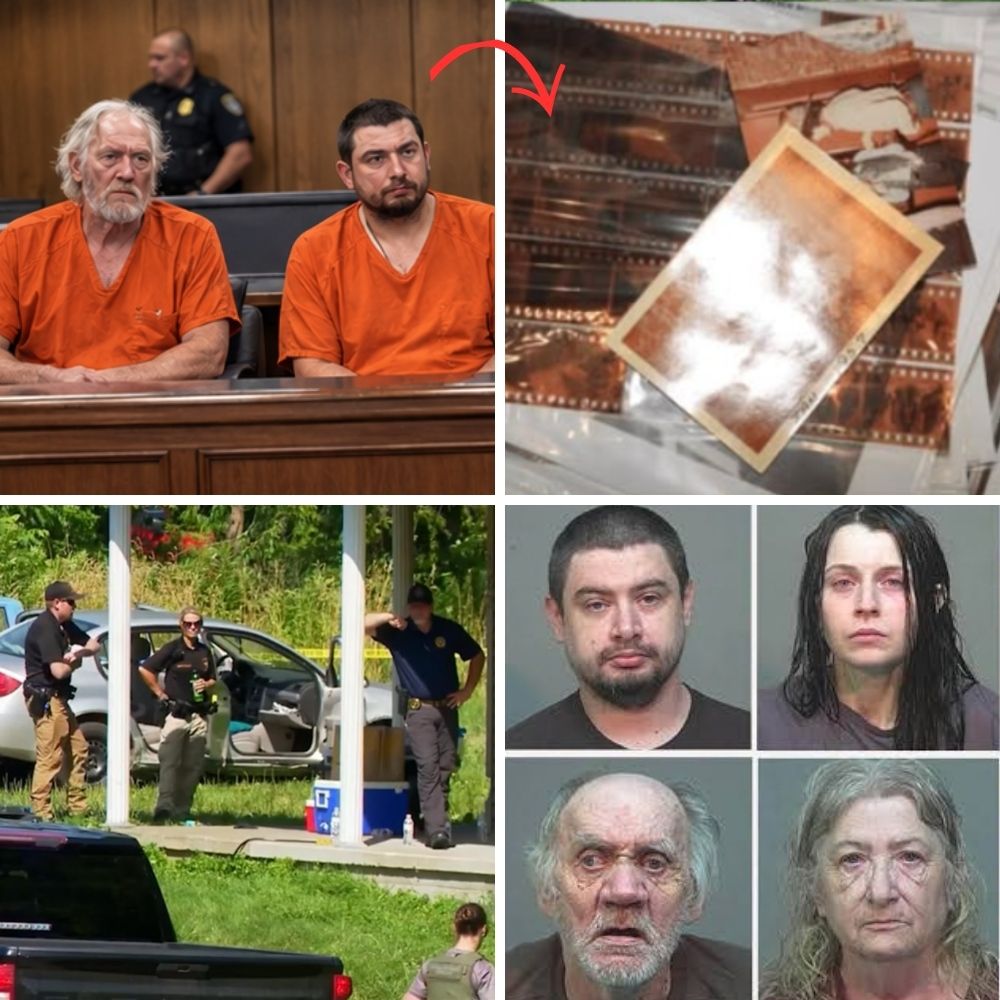
In the quiet, unassuming suburbs of rural Ohio, a nondescript house hid one of the most disturbing family secrets to ever shock the nation. What began as a routine investigation into a family drama spiraled into a nightmare when authorities finally unsealed a long-forbidden apartment room — one that had been locked tight for years. Inside, they discovered an eerie tableau frozen in time: walls plastered with innocent yet haunting children’s drawings, a mysterious original map that seemed to chart something far more sinister than a child’s game, and a heavy locked metal chest that had somehow evaded every previous evidence log.
But the true chill came from the handwritten note scrawled on the inside of the door. “They will come back. Do not open.” As if the writer knew that one day, this room would become the final, explosive chapter in a saga of unimaginable horror.
This is the story of the Ohio House of Horrors — a tale so grotesque, so layered with deception and despair, that even seasoned detectives were left speechless. Welcome to the investigation that has gripped America, where family bonds twisted into chains of torment, and a single sealed room held the key to rewriting everything investigators thought they knew.
The Ordinary Facade Crumbles
It was a sweltering summer day when deputies first arrived at the weathered two-story home on the outskirts of Hamden, Ohio. Neighbors had long whispered about the reclusive Siders family — parents, grandparents, and what appeared to be a revolving door of children. But no one could have imagined the scale of the depravity unfolding behind those peeling walls.
Officials were there on an unrelated warrant when they stumbled upon something that defied belief: 16 children, ranging from toddlers barely able to walk to teenagers, crammed into conditions that one prosecutor later described as “pure evil.” The home was a squalid nightmare of feces, trash, and neglect. Some of the children, authorities said, appeared “almost feral,” with limited language skills and signs of severe malnutrition and isolation.
But this was only the beginning. As the rescue operation unfolded and child protective services swarmed the property, a deeper mystery emerged. One particular apartment within the sprawling, century-old structure had been formally sealed years earlier during a previous family dispute. Court records showed it was supposed to contain nothing of evidentiary value — yet something compelled investigators to take a second look.
Breaking the Seal: A Room Frozen in Terror
With the family’s patriarch and matriarch already in custody on preliminary child endangerment charges, a judge granted permission to unseal the room. The tension was palpable as the team gathered outside the heavy door, tools in hand. What they found inside would haunt them for years to come.
The air was thick with dust and the faint, musty scent of abandonment. But the scene was anything but empty. Covering nearly every inch of the walls were children’s drawings — crayon scribbles of stick-figure families, houses with barred windows, and dark, shadowy figures lurking in corners. Some drawings depicted happy scenes that quickly turned nightmarish: tears streaming down faces, locked doors, and what looked like tiny hands reaching out from beneath floorboards.
Forensic experts were immediately struck by how the artwork seemed to tell a story — a timeline of fear that no adult in the household had ever reported. “These weren’t random doodles,” one investigator later confided. “They were cries for help, preserved in plain sight.”
In the center of the room lay an “original map” — a hand-drawn diagram on yellowed paper, detailing the layout of the entire property with unusual annotations. Hidden compartments? Escape routes? Or something more ominous? The map included notations in what appeared to be a child’s handwriting, marking “the bad place” under the staircase and “quiet room” in the sealed apartment itself.
But the pièce de résistance — the item that sent shivers down every spine — was the locked metal chest. It was heavy, industrial-grade, and bore no inventory tags from previous searches. How had it been missed? Pry bars were brought in, and as the lid creaked open, the team held their collective breath.
Inside were bundles of old documents, faded photographs of the children at various ages, and personal items that painted a picture of lives lived in shadows. Among them: medical records showing untreated injuries, school absence notes forged repeatedly, and journals hinting at a pattern of isolation that stretched back over a decade.
The Handwritten Warning That Changed Everything
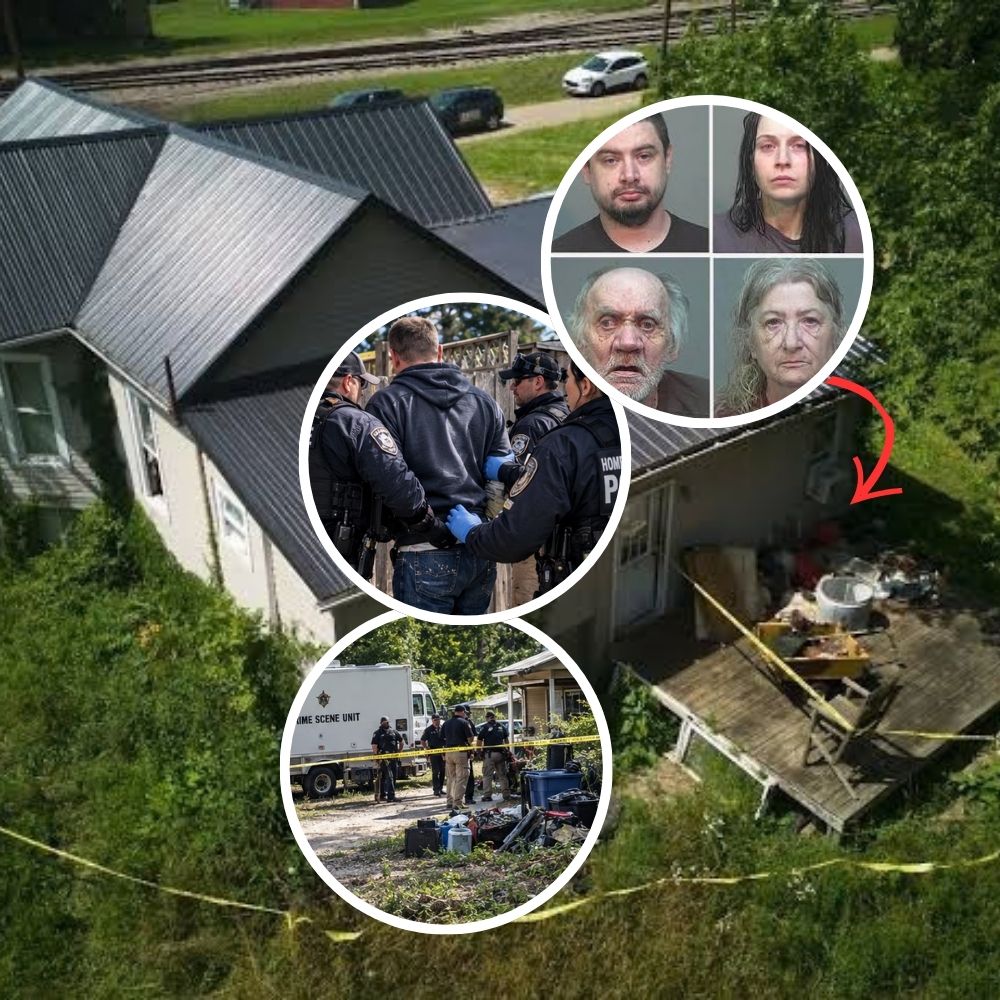
Most chilling of all was the note taped to the inside of the door — a single sheet of lined paper with shaky, urgent handwriting: “They will come back. Do not open. The truth is worse than you think.”
Who wrote it? Was it a desperate warning from one of the older children? A taunt from a complicit family member? Or evidence of something far darker — perhaps knowledge of crimes yet to be uncovered? Handwriting analysis is ongoing, but sources close to the investigation say it matches none of the adults currently charged.
As police processed the room, more horrors emerged. Beneath loose floorboards, they found small caches of children’s clothing stained with what appeared to be blood, though DNA testing is pending. Hidden in the walls: tiny listening devices and what looked like remnants of restraints. The “sealed” room wasn’t just neglected — it was a time capsule of systematic 𝘢bu𝘴e.
A Family’s Dark Legacy Exposed
The Siders family had flown under the radar for years. Neighbors described them as “quiet but strange,” with the grandparents often seen herding children indoors at odd hours. Social services had visited multiple times following anonymous tips, but each time, the family presented a polished facade — clean clothes for the kids during inspections, excuses about homeschooling, and promises of improvement.
Court documents reveal a tangled web of family drama that predates the sealing of the room. A bitter custody battle, allegations of financial exploitation, and whispers of generational trauma. One relative, speaking on condition of anonymity, told reporters: “There were always rumors. But nobody wanted to believe a whole family could do this.”
The discovery has sparked outrage across Ohio and beyond. How could 16 children be hidden in plain sight? Why did the system fail them so catastrophically? State officials are now facing scrutiny, with calls for an independent inquiry into missed red flags dating back years.
Prosecutors have charged the parents and two grandparents with multiple counts of felony child endangerment. Additional charges — including possible kidnapping, 𝘢bu𝘴e, and even more severe offenses if the new evidence points to foul play — are expected as the investigation deepens.
The Children’s Drawings: Silent Witnesses
Perhaps the most heartbreaking element is the artwork. Child psychologists brought in to analyze the drawings describe them as “a collective scream.” Recurring motifs include locked rooms, crying eyes, and adult figures with exaggerated angry expressions. One particularly disturbing piece shows a child hiding in a chest, mirroring the real metal box found in the room.
Experts say such drawings are common in cases of prolonged trauma, where victims externalize their pain when words fail. “These children were documenting their own hell,” said one psychologist. “The fact that the drawings remained untouched for so long suggests the adults knew — and allowed it.”
As the kids are now in foster care receiving intensive therapy, their artwork is being preserved as crucial evidence. Some images have been redacted for privacy, but those released to investigators depict a world where safety was a fantasy.
Unraveling the Timeline: What the Map Revealed
The mysterious map has become a focal point. Drawn on the back of an old utility bill, it details not just rooms but specific hiding spots, timelines, and even “shift changes” for when adults would monitor the children. Forensic linguists are examining the language, which mixes childish slang with disturbingly mature references to “keeping secrets forever.”
One section of the map points to an area under the main staircase — a spot where search dogs later alerted to human scent. Excavation is planned, raising fears of even grimmer discoveries.
Investigators believe the sealed room was used as a “punishment space” or isolation chamber, explaining why it was off-limits even to family members. The handwritten note suggests someone anticipated scrutiny and tried to deter it — or perhaps protect future finders from psychological harm.
Community in Shock, Nation Demands Answers
The small town of Hamden is reeling. Vigils have been held for the children, with residents leaving teddy bears and flowers outside the now-condemned house. “We thought they were just private,” one neighbor said tearfully. “We had no idea it was this bad.”
National attention has surged, with true crime podcasts and news outlets descending on Ohio. Comparisons are being drawn to other infamous “house of horrors” cases, but the sheer number of victims and the meticulous cover-up set this apart.
Politicians from both sides are calling for reforms to child welfare systems. “No more invisible children,” one lawmaker declared. Meanwhile, the Siders family remains largely silent, with defense attorneys claiming the charges are overblown and the sealed room “irrelevant.”
Lingering Questions and the Road Ahead
As the case unfolds, dozens of questions remain. Who sealed the room initially, and why? What secrets does the metal chest still hold that haven’t been publicly revealed? And most hauntingly — did the children know the note was there, and what “they” it referred to?
Forensic teams continue to comb the property. DNA from the bloodstained clothing is being matched, and the map is being digitized for 3D reconstruction of the home’s hidden architecture.
The 16 children, now safe but scarred, represent the human cost. Their resilience in the face of such darkness is a testament to the human spirit, but their road to recovery will be long. Therapy, education catch-up, and the simple joys of childhood denied for so long await them.
This Ohio House of Horrors has peeled back the veneer of suburban normalcy to reveal rot beneath. It serves as a stark reminder: sometimes the most terrifying monsters aren’t in the shadows — they’re the ones we call family.
The sealed room, once a forbidden mystery, has spoken. And what it revealed has left everyone speechless.