More than three decades after Susan Smith drowned her two young sons, Michael and Alex, their father, David Smith, is preparing to stand before a parole board once again. For the second time, he will ask officials to keep his former wife behind bars. But behind this upcoming hearing is a much deeper story: a father who lost his children, a family forced to rebuild after unimaginable tᩚraɢedy, and two little boys whose lives ended before they had the chance to grow up.
There are some dates a person never forgets.
There are some moments that divide a life into two parts: everything that happened before, and everything that came afterward.
For David Smith, October 1994 was one of those moments.
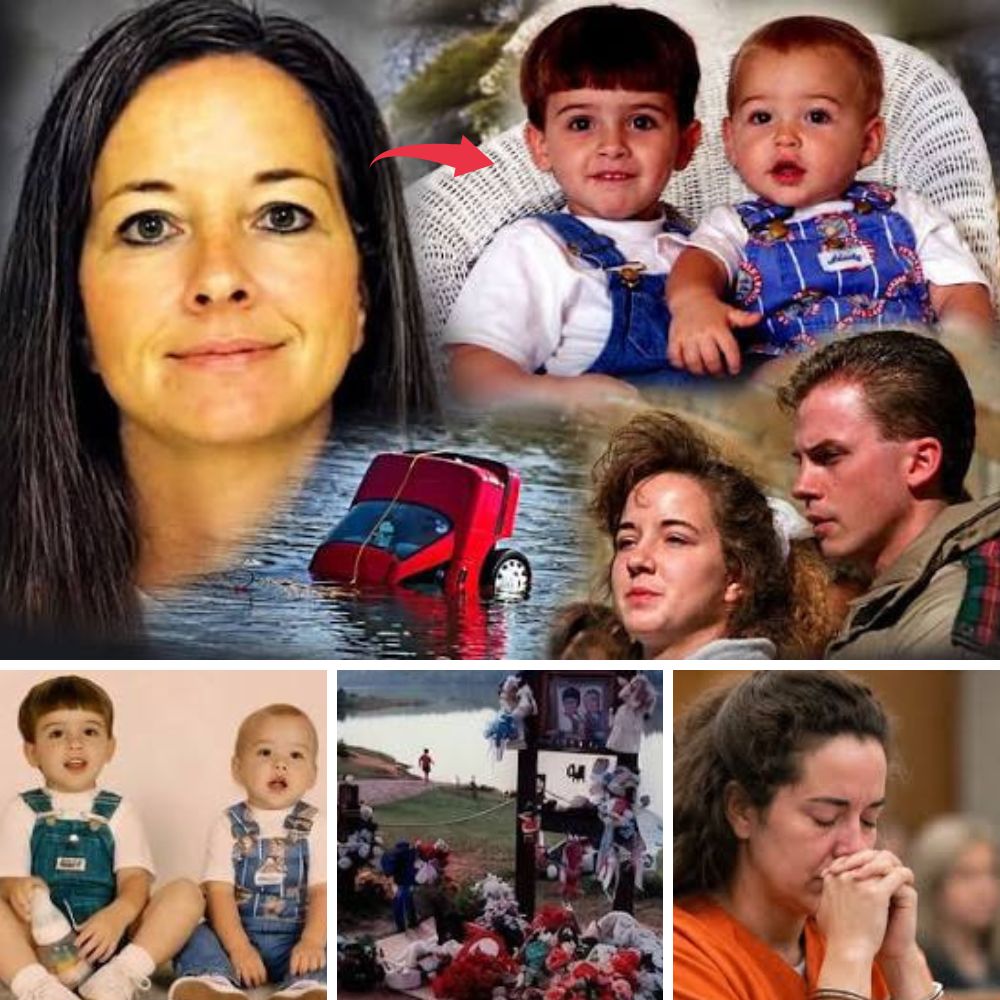
He was a young father with two little boys. Michael was only three years old. His younger brother, Alex, was just 14 months old. They were at an age when the world was still full of discoveries, when every day brought new words, new movements, new little adventures, and countless reasons for a parent to smile.
They were supposed to have their entire lives ahead of them.
Their father was supposed to watch them grow. He was supposed to see their first days at school, their childhood friendships, their birthdays, their teenage years, and eventually the adults they might become.
Instead, David Smith lost both of his sons in a crime that shocked the United States and became one of the most widely remembered criminal cases of the 1990s.
Now, more than 32 years later, he is preparing to return to the parole process that forced him to revisit that nightmare in 2024.
Susan Smith, his former wife and the mother of Michael and Alex, is scheduled to appear before South Carolina’s parole board on November 19, 2026. David has made his position clear: he intends to oppose her release.
He knows what it means to stand in that room and speak about his children.
He also knows that the experience will not be easy.
But he says he plans to keep showing up.
Because, for him, this is not simply another parole hearing.
It is another moment when he must remind the world that Michael and Alex were real little boys, not just names attached to an infamous criminal case.
And their father is not ready to let them be forgotten.
Two Little Boys Who Should Have Had Their Whole Lives Ahead of Them
Before the headlines, before the investigation, before the courtroom and the years of prison sentences, there were two children.
Michael and Alex Smith.
Michael was three years old. At that age, children are beginning to discover their personalities. They ask questions, imitate the adults around them, develop favorite toys, and slowly learn how the world works.
Alex was only 14 months old.
He was still very young, at an age when ordinary moments can become unforgettable memories for parents: a first word, an uncertain step, a smile, or the way a child reaches out to be held.
They were brothers.
They shared a family, a home, and a future that their father believed would continue to unfold one ordinary day at a time.
There is something especially heartbreaking about thinking about children at those ages.
They cannot fully understand the complicated problems adults face. They depend on the people responsible for protecting them. Their world is built around familiar voices, familiar faces, and the belief that someone will be there when they need help.
Michael and Alex never had the opportunity to grow into the people they might have become.
We will never know what Michael’s interests would have been as a teenager, what kind of music he might have enjoyed, or whether he would have followed his father’s example in certain ways.
We will never know what Alex might have loved, what his laugh would have sounded like as an adult, or what dreams he might have developed.
Their stories ended before those possibilities could become reality.
And for David, that loss is not something that can be measured simply by the number of years that have pᴀssed.
October 1994: The Disappearance That Captured a Nation
In October 1994, Susan Smith reported that her car had been taken during an alleged carjacking in Union County, South Carolina.
According to her initial account, a stranger had driven away with her two young children still inside the vehicle.
The report immediately triggered a major search.
The disappearance of two small children is the kind of story that reaches people emotionally, regardless of where they live. Parents imagine what it would feel like if their own children suddenly vanished. Families worry. Communities become involved. People hope that the missing children will be found safe.
The story quickly attracted national attention.
Susan appeared in emotional public appeals, asking for her sons to be returned. Her claims were widely reported, and people across the country followed the search.
David Smith believed the story.
He was the father of the missing boys. Like other family members, he wanted to believe that Michael and Alex were alive and that someone would bring them home.
But investigators began examining the details of the alleged carjacking.
Questions emerged about the circumstances Susan had described. Her account did not fit the evidence investigators were gathering.
For nine days, the nation watched a search that was based on a story that would eventually collapse.
On November 3, 1994, Susan confessed that there had been no carjacker.
She had allowed her car to roll into John D. Long Lake with Michael and Alex strapped into their car seats.
The children were inside the vehicle.
The revelation transformed the case from a missing-children investigation into a devastating murder investigation.
It also destroyed the story David had believed while desperately hoping his sons would come home.
The man who thought he was waiting for the safe return of his children was suddenly forced to confront the fact that they were gone.
And the person responsible was their own mother.
The Moment David Learned the Truth
One of the most painful aspects of this case is the way the truth reached David.
He had believed the account of the alleged kidnapping.
He had spent days living with uncertainty, hoping that his sons would be found.
According to David’s later recollections, he learned that Susan had killed their children through a television news report announcing her confession.
He described the experience to CNN as a moment when he did not understand what was happening because he had believed her story.
Imagine the emotional shock of that moment.
The person you once trusted to share the responsibility of raising your children has become the person at the center of their deaths.
The explanation you had been given suddenly disappears.
The hope you were holding onto is replaced by a truth that cannot be changed.
For a parent, losing a child is already an unimaginable experience. Discovering that the person responsible is the child’s other parent adds another layer of betrayal and trauma.
David was not only grieving Michael and Alex.
He was also confronting the collapse of the family life he thought he had.
There was no simple way to return to the person he had been before.
And there was no way to bring his sons back.
The Trial That Followed
Susan Smith was arrested and charged in connection with the deaths of Michael and Alex.
Her case became a major national news event.
During the 1995 trial, prosecutors argued that she had killed the boys because of her relationship with a married man who did not want children. They presented the argument that she believed her sons stood in the way of the future she wanted with him.
Her defense offered a different account of her mєntal state.
Her attorneys pointed to mєntal health struggles, a difficult personal history, and depression. They argued that she had been experiencing a severe psychological crisis and had intended to die alongside her children before leaving the vehicle.
Those arguments became part of the legal proceedings, but the jury ultimately convicted her of two counts of murder.
She was sentenced to life in prison, with the possibility of parole after serving the required portion of her sentence.
The jury did not impose the dєatᩚh penalty.
The conviction brought a legal conclusion to the criminal trial, but it did not bring an end to the consequences for the people who had lost Michael and Alex.
For David, the verdict could not restore his children.
It could not give him another birthday with them.
It could not return the ordinary moments that had been taken away.
A courtroom can determine guilt and impose a sentence. It cannot reverse a tᩚraɢedy.
Thirty Years Behind Bars Did Not Erase the Pain
For many people watching the case from a distance, the pᴀssage of time may seem almost impossible to comprehend.
Thirty years.
More than three decades.
A generation has grown up since the deaths of Michael and Alex. Technology has changed. Families have changed. Entire communities have changed.
But the pᴀssage of time does not necessarily mean that grief disappears.
In interviews ahead of the 2026 hearing, David has spoken about the continuing pain of losing his sons.
He has explained that although 32 years have pᴀssed, the heartache remains.
One of his most heartbreaking reflections concerns the question people sometimes ask: how old would Michael and Alex be today?
David has said he cannot easily process that question because, in his mind, his sons will always be three years old and 14 months old.
That statement reveals something important about the way parents can experience the loss of a child.
The calendar continues moving.
The birthdays continue arriving.
People around them grow older.
But the child who died remains connected to the age at which their life ended.
For David, Michael will not suddenly become a 35-year-old man in his memories.
Alex will not grow into a 33-year-old adult in his imagination.
They remain the little boys he lost.
And perhaps that is one of the cruelest parts of losing a child: you do not simply lose the person they were. You also lose every version of them that you expected to meet in the future.
The First Parole Hearing in 2024
After serving 30 years of her life sentence, Susan Smith became eligible for parole consideration in 2024.
The hearing was an emotional event.
Smith appeared before the South Carolina parole board by video from prison.
She expressed regret and acknowledged that what she had done was horrible. She said she wished she could go back and change her actions.
She also spoke about her Christian faith and asked the board to show her mercy.
Her attorney presented arguments concerning her personal history and mєntal health, including claims about depression and untreated psychological difficulties.
But the hearing was not only about Smith’s request for release.
The family of the boys and others connected to the case also had an opportunity to speak.
David attended.
He was not there as a prosecutor or a representative of the state.
He was there as Michael and Alex’s father.
He spoke about the impact their deaths had on his life and asked the board to deny parole.
During that hearing, he said he had never felt that Susan had expressed genuine remorse toward him.
He also described the profound damage her actions had caused.
His words were difficult to deliver.
The ᴀssociated Press reported that David struggled at first to get his words out and paused several times to compose himself.
He had to stand in front of the people deciding whether Susan should be released and speak about the two children he had lost.
He asked the board to deny her parole and said he intended to attend future hearings so that Michael and Alex would not be forgotten.
The board unanimously denied Susan’s first request for release in November 2024.
For David, the decision meant that she would remain incarcerated for the time being.
But it did not mean that he would never have to face the process again.
He knew another hearing could come.
And now it has.
November 19, 2026: The Past Is Coming Back Again
Susan Smith’s second parole hearing is scheduled for Thursday, November 19, 2026.
She is now 55 years old.
David Smith, now 56, has confirmed that he plans to attend and oppose her release.
He and his wife, Tiffany, are preparing to return to the parole process.
The prospect of doing this again is not something David has described as easy.
He has said he does not look forward to speaking before the board and reliving the experience.
But he also says he intends to be there every time.
That decision carries a painful meaning.
It means that the father who once stood before the public asking for his missing children to be found must again stand before officials and explain why their mother should remain in prison.
It means reopening memories that are more than three decades old.
It means revisiting the investigation, the confession, the trial, and the loss.
And it means speaking about Michael and Alex once again in a room where their future is being discussed.
David has explained that he wants the board to understand the case from his perspective.
He wants its members to remember that the pᴀssage of 32 years has not removed his grief.
His position is clear: he would prefer that Susan remain imprisoned for the rest of her life.
But his appearance is about more than expressing anger.
It is also about ensuring that the people who decide her future understand that the consequences of the crime did not end when the trial concluded.
The two children are still gone.
Their father is still living with that loss.
And their names still deserve to be remembered.
A Father Who Had to Rebuild His Life
The story of David Smith is not only a story about grief.
It is also a story about what happens after a family experiences a devastating loss.
Life does not stop completely, even when someone wishes the world would pause.
There are still responsibilities. There are still ordinary mornings. There are still decisions that have to be made.
People must find ways to continue living while carrying experiences that others may never fully understand.
David eventually remarried Tiffany Smith.
Together, they built a new family and welcomed two more children, who are now adults.
That does not mean Michael and Alex were replaced.
Children are not interchangeable. A new family does not erase an earlier family. Happiness in one chapter does not mean that the pain of another chapter has disappeared.
It is possible for a person to love their present family deeply while continuing to grieve children they lost decades earlier.
In fact, those experiences can exist together.
David’s life continued, but the boys remained part of his history.
The upcoming parole hearing brings that history back into public view.
His wife, Tiffany, is also expected to attend and support him as he speaks against Susan’s release.
The family has already gone through the process once.
Now they are preparing to do it again.
There is a particular kind of emotional difficulty in being forced to revisit a tᩚraɢedy repeatedly.
The first time, the truth may be overwhelming because everything is new.
Years later, the details are familiar, but familiarity does not necessarily make them painless.
A person may know exactly what questions will be asked and what memories will return.
That knowledge can make the anticipation difficult in its own way.
Savannah and the Family That Remembers
David and Tiffany’s family also includes their daughter, Savannah, who joined them in opposing Susan’s release at the 2024 hearing.
Her presence reflects another dimension of this case.
The consequences of a crime can reach people who were not even alive when it happened.
A family member can grow up knowing that two children existed before them, that those children were part of the family’s story, and that their lives ended in a tᩚraɢedy that continues to shape the present.
The pᴀssage of time does not remove the importance of those relationships.
Michael and Alex may not have had the chance to meet the family David later built, but they remain part of his life story.
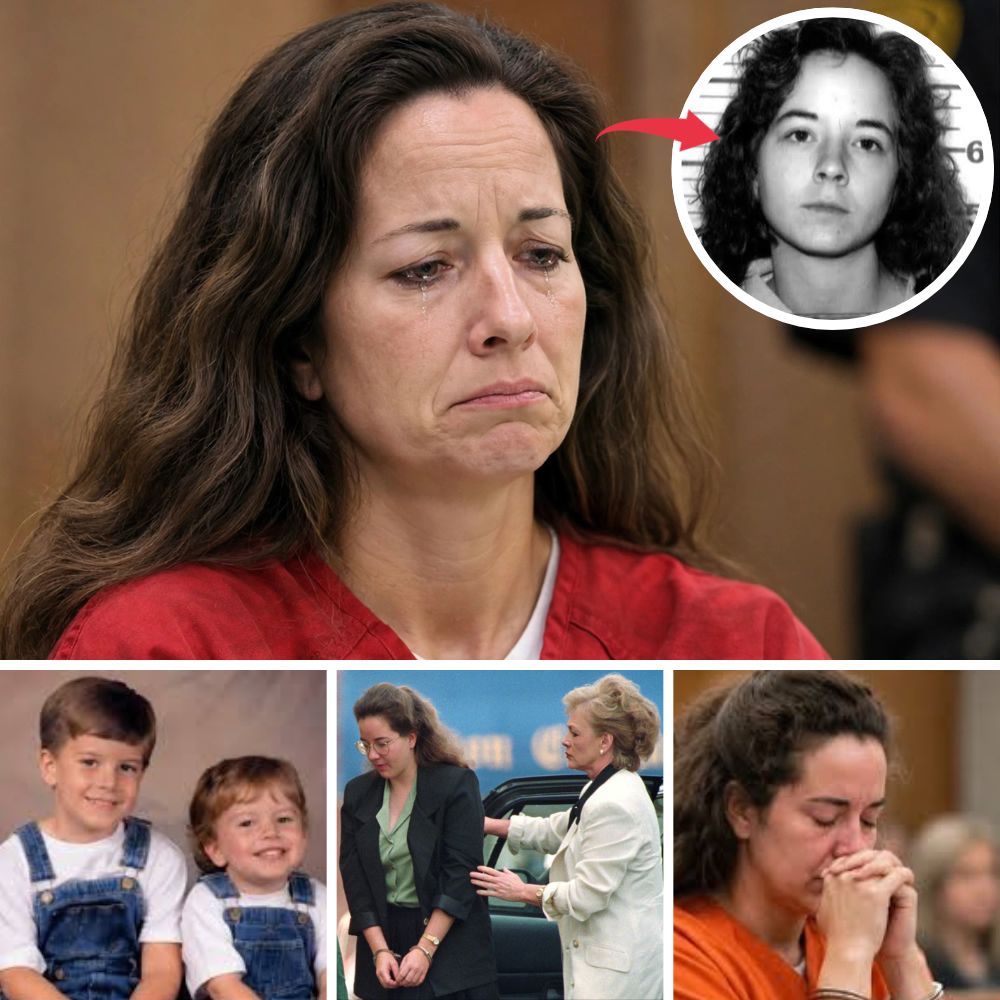
Their pH๏τographs, their names, and their memories continue to matter.
For a family, remembrance can become a way of protecting the place someone holds in their history.
It does not undo what happened.
It does not answer every question.
But it can help ensure that a person’s life is not reduced to the circumstances of their dєatᩚh.
Michael and Alex were more than victims in a famous criminal case.
They were brothers.
They were sons.
They were two little children who deserved the opportunity to grow up.
What Does Remorse Mean After Such a Crime?
One of the central questions surrounding the upcoming hearing is the question of remorse.
During her first parole hearing, Susan expressed sorrow and said she wished she could undo what she had done.
Her attorney has previously pointed to her personal history and mєntal health struggles as important considerations.
David, however, has publicly questioned whether she has demonstrated genuine remorse toward him.
These are different perspectives, and the parole board must consider the information presented during the hearing.
But the question itself is emotionally complicated.
What does remorse mean when the people most directly harmed cannot return?
How can a person demonstrate that they understand the full consequences of an act that destroyed an entire family?
Can words spoken decades later provide meaningful reᴀssurance to the people who continue living with the loss?
There are no easy answers.
For survivors and family members, an apology may carry a different meaning than it does for the person asking for forgiveness.
The person expressing regret may be focused on their own understanding of the past.
The family may still be thinking about the children who never came home.
Both realities exist, but they are not interchangeable.
For David, the loss is not an abstract event in a criminal history.
It is the loss of his sons.
And his decision to oppose parole reflects his belief that Susan should not be released.
The Meaning of a Second Chance
Parole is a legal process, not a declaration that a crime did not matter.
It involves a decision about whether an incarcerated person should be released under the conditions established by law.
A parole board considers relevant information, including the nature of the offense, the individual’s record while incarcerated, their conduct, and other factors permitted under state rules.
Susan’s first request was unanimously denied in 2024.
The November 2026 hearing will give the board another opportunity to consider her eligibility.
A previous denial does not automatically determine the outcome of a later hearing.
That is why David believes it is important to appear again.
He wants the board to hear directly from the father of the two children who died.
He wants them to consider the consequences from the perspective of the family.
For him, this is not simply a question of whether Susan has spent enough time in prison.
It is also a question of what her release would mean to the people who still carry the loss.
He has said he would prefer that she remain incarcerated until she diᩚєs.
That is his position as the boys’ father.
The board will have to make its own decision based on the law and the information presented.
But David’s voice is part of the story, and he intends to use it.
The Fear of Seeing the Past Walk Into the Future
One of the most difficult things for families in high-profile criminal cases is knowing that the person responsible may eventually be released.
For many years, prison can create a sense of distance.
The person is behind bars.
The legal system has imposed a sentence.
The family can attempt to rebuild daily life without having to encounter that person.
But parole hearings can reopen questions that families may have spent years trying to put aside.
What happens if the person is released?
Would the family feel safe?
Would they worry about encountering them unexpectedly?
Would an ordinary trip to a grocery store, a restaurant, or a public place become emotionally difficult?
These are understandable concerns for people who have experienced serious trauma.
David has spoken about his opposition to Susan’s release and the continuing pain connected to the deaths of his sons.
His decision to attend the hearing reflects the importance he places on being heard.
He cannot control every aspect of the parole process.
But he can speak about his experience.
He can tell the board what the loss has meant to him.
And he can remind them that the case involves two children whose lives ended in 1994.
The Children Behind the Headlines
There is another reason why this case continues to attract attention.
The story became internationally known in 1994, but it is easy for a familiar true-crime case to become reduced to a series of dates, courtroom images, and dramatic headlines.
People may remember the false kidnapping story.
They may remember the search.
They may remember the confession.
They may remember the trial and the sentence.
But behind all of those events were two children.
Michael and Alex.
Their names deserve to be remembered separately from the woman who killed them.
They were not simply evidence in a case.
They were not just the subjects of news reports.
They were children whose father expected to watch them grow.
When David speaks at the parole hearing, he is not asking the board to remember a headline.
He is asking them to remember the human beings at the center of the case.
That is perhaps the most important part of his decision to keep attending.
A criminal case can become part of history.
But the people who lost someone do not experience it as history in the same way.
For them, it remains personal.
Thirty-Two Years Cannot Give Back a Single Birthday
There is a particular sadness in thinking about the birthdays Michael and Alex never reached.
Michael would have grown from a three-year-old into an adult.
Alex would have moved through childhood, adolescence, and adulthood.
They might have gone to school together for a few years.
They might have developed different interests.
They might have argued like brothers and laughed together moments later.
They might have grown close to their father in ways that are impossible to predict.
They might have become parents themselves.
But those possibilities remain unanswered.
David has spoken about how difficult it is to imagine their ages today.
In his mind, they remain the little boys he lost.
This is why the phrase “more than 30 years ago” can feel so different depending on who is hearing it.
For someone following the story from a distance, 32 years is a long period.
For a father remembering two children, the years may not feel like a clean line moving from the past into the present.
There are pH๏τographs.
There are memories.
There are anniversaries.
There are questions that have no satisfying answers.
And there is the knowledge that the future he once imagined for his sons will never happen.
The Parole Hearing Is Not the End of Their Story
On November 19, 2026, Susan Smith is scheduled to appear before the South Carolina parole board for a second time.
David intends to be there.
He will speak against her release, as he did in 2024.
The board will consider the case and make a decision according to the applicable process.
At the time of writing, the hearing has not yet taken place, and its outcome is unknown.
Whatever decision is made, one fact will remain unchanged.
Michael and Alex are gone.
No parole decision can change the events of October 1994.
No sentence can restore the birthdays, the school days, the family celebrations, or the ordinary moments their father should have experienced with them.
And no amount of time can turn the loss into something that never happened.
For David, returning to the parole board is another difficult act of remembrance.
He has said that he intends to keep attending future hearings.
He does not want his sons to become forgotten names.
That determination is at the heart of his position.
A Father’s Promise to Keep Their Names Alive
Perhaps the most heartbreaking part of David Smith’s story is that he has had to become the person who repeatedly reminds others that Michael and Alex were once little boys with futures.
He has had to speak about their deaths in public.
He has had to revisit the crime in courtrooms and interviews.
He has had to answer questions about a tᩚraɢedy that should never have happened.
And now, more than three decades later, he is preparing to do it again.
He cannot give his sons another childhood.
He cannot watch them become adults.
He cannot celebrate the lives they might have lived.
But he can continue saying their names.
He can stand before the parole board and explain why their deaths still matter.
He can make sure that the decision about Susan Smith’s future is not discussed without remembering the two children whose lives were taken.
His words may not change the past.
They may not make the next hearing any easier.
But they ensure that Michael and Alex remain at the center of a story that should never be reduced to the question of whether their mother deserves another chance.
Because before there was a criminal case, there were two little boys.
And before there was another parole hearing, there was a father who loved them.
Some Losses Never Become Just Memories
There are tragedies that people eventually stop following in the news.
New stories appear. Other events take over the headlines. The public moves on.
But the people who experienced the loss do not necessarily move on in the same way.
For David Smith, the deaths of Michael and Alex remain part of his life more than three decades later.
He has rebuilt a family.
He has continued living.
He has found ways to carry on.
But that does not mean his sons have become distant memories or that the pain has disappeared.
As the November 19 hearing approaches, he is preparing to face a difficult process once again.
He knows that speaking about his children will be painful.
He knows that the memories will return.
Yet he plans to attend.
Not because he expects the experience to be easy.
Not because he wants to relive the worst chapter of his life.
But because he believes his sons deserve to be remembered when decisions about their mother’s freedom are being considered.
And perhaps that is the most powerful message in this story.
Time can move forward.
Families can grow.
People can build new lives.
But the love a parent has for a child does not disappear simply because the child is no longer here.
Michael and Alex will always be David Smith’s sons.
They will never grow older in his memories.
They will never have the chance to tell him about their adult lives.
But their names can still be spoken.
Their story can still be remembered.
And as David prepares to stand before the parole board again, he is making one thing clear:
Thirty-two years have pᴀssed, but he is not finished speaking for the two little boys who never got the chance to speak for themselves.