The $175 Billion Reversal: Supreme Court Limits Executive Trade Power
In a decision that has sent shockwaves through global markets, the United States Supreme Court ruled 6-3 on March 9, 2026, that the International Emergency Economic Powers Act (IEEPA) does not grant the President the authority to unilaterally impose tariffs.
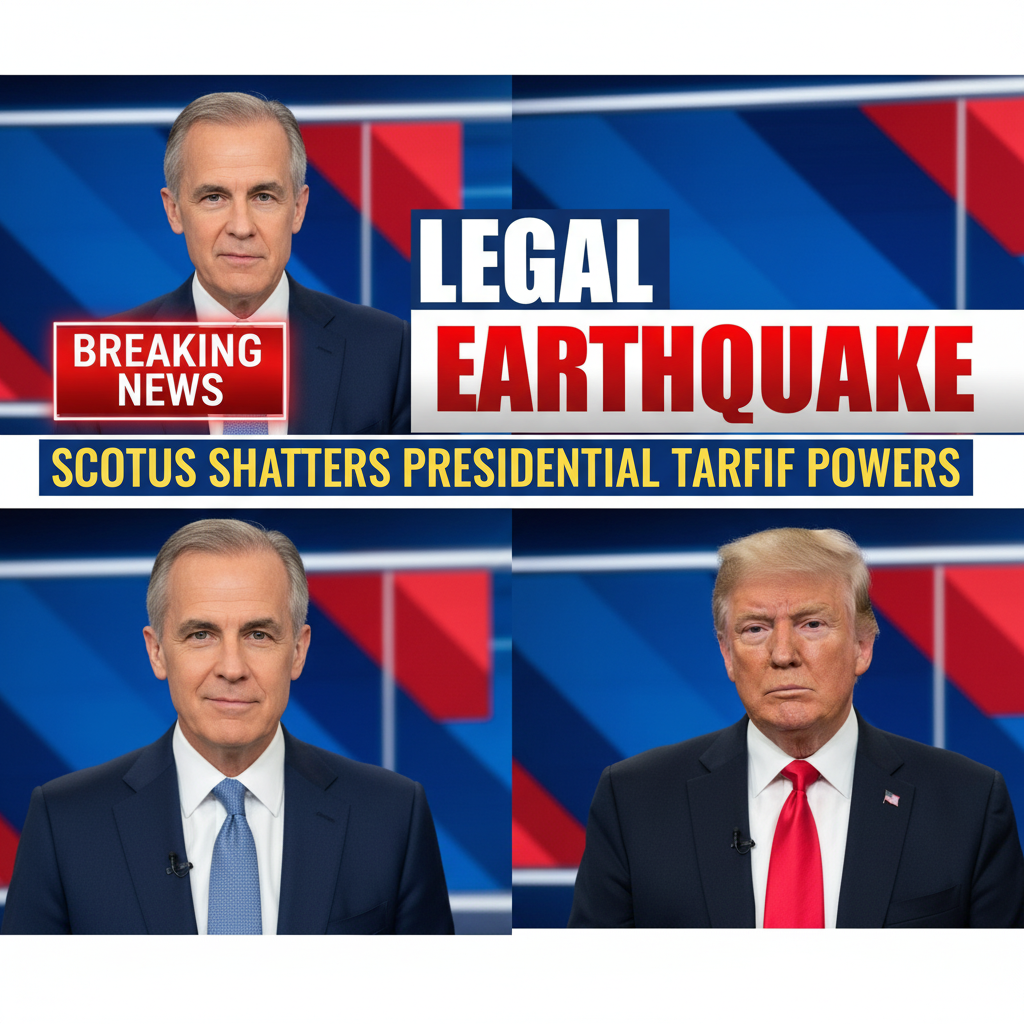
Chief Justice John Roberts, leading a diverse majority, emphasized that the power to regulate international commerce and levy taxes resides with Congress, not the executive branch. This landmark ruling effectively nullifies over a year of aggressive trade policies aimed at international partners.
Immediate Economic Consequences
The ruling has triggered immediate and far-reaching impacts on international trade relations:
- Fentanyl Tariffs Voided: The 25% duties previously imposed on Canada and Mexico are now legally null and void.
- Reciprocal Duties Struck Down: Global tiered tariffs aimed at pressuring international partners have been dismantled.
- $175 Billion Liability: The U.S. Treasury may now be required to refund approximately $175 billion in collected duties plus interest to affected firms.
However, the court did not address Section 232 of the 1962 Trade Expansion Act. This means that tariffs on Canadian steel and aluminum, justified under national security grounds, remain in place for the time being.
A New Dynamic for CUSMA Negotiations
With the CUSMA review deadline approaching on July 1, 2026, the legal landscape has shifted significantly in favor of Ottawa. The Canadian government now holds substantial financial leverage, using the potential $175 billion debt as a bargaining chip to seek the removal of remaining steel and aluminum duties.
While the White House has attempted to bypass the ruling by invoking Section 122 of the 1974 Trade Act, legal experts suggest this “workaround” will face immediate challenges from state attorneys general who argue the required economic conditions do not exist.