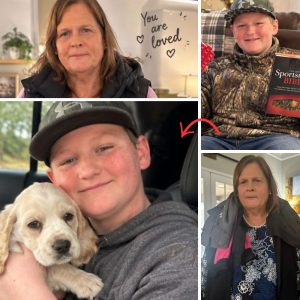
For nineteen months, Rebecca Miller prayed for the same miracle every night.
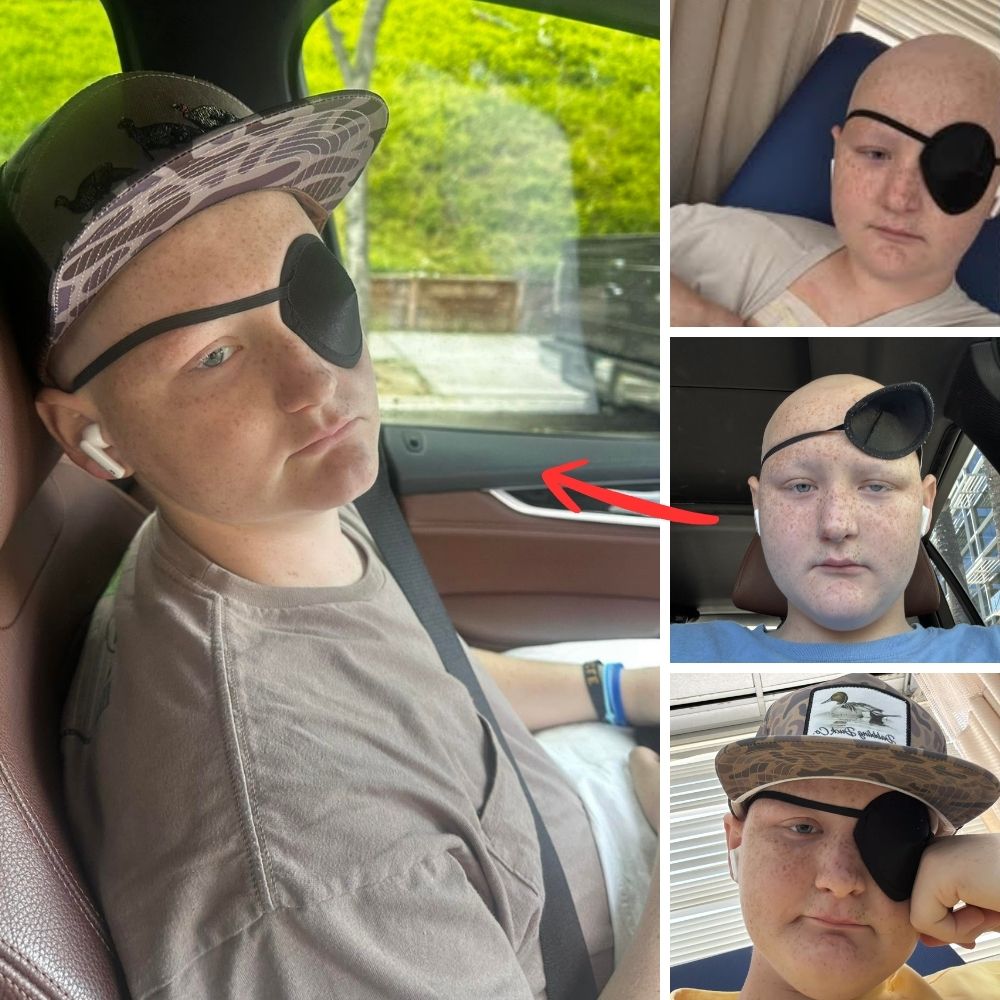
She prayed in hospital corridors while machines hummed behind closed doors. She prayed in parking lots before gathering enough strength to walk back into her son’s room. She prayed over untouched meals, unfinished schoolwork, and medical reports filled with words no mother should ever have to learn.
Most of all, she prayed that her fifteen-year-old son, Ethan, would come home.
Not for a weekend between treatments.
Not for a few carefully monitored hours.
She wanted him home for good.
She wanted to hear his shoes drop beside the front door. She wanted to complain about the music coming from his bedroom. She wanted to find cereal bowls in the sink and muddy clothes left where they did not belong.
She wanted the ordinary frustrations of motherhood back.
But after nineteen months of surgeries, chemotherapy, infections, emergency admissions, and fading hope, the moment arrived when love demanded something different.
Holding on was no longer protecting Ethan.
It was asking his exhausted body to continue a battle it could not win.
And so, inside a quiet hospital room filled with whispered prayers, trembling hands, and tears no one could stop, Rebecca leaned close to her son and said the hardest words she would ever speak.
“Go be with Jesus.”
Before Cancer Changed Everything
Before illness entered the Miller family’s life, Ethan was known for his sense of humor.
He was the kind of teenager who could turn a boring car ride into a performance, imitate every teacher at school, and make his younger sister laugh even when she was determined to stay angry with him.
He loved soccer, fishing, and repairing old bicycles with his father, Mark.
He had no patience for early mornings but somehow found enough energy to spend entire Saturdays outdoors.
His mother often described him as “quietly kind.”
He did not make grand gestures.
He simply noticed things.
He noticed when classmates sat alone.
He noticed when his grandmother needed help carrying groceries.
He noticed when his mother looked tired, even when she insisted she was fine.
That was who Ethan had always been.
Not a patient.
Not a diagnosis.
Not a symbol.
Just a boy with an ordinary life and a heart large enough to make people feel less alone.
The First Sign
The illness began with pain in his right leg.
At first, everyone assumed it was a soccer injury.
Ethan had collided with another player during practice and continued playing despite the discomfort.
He rested for several days.
The pain remained.
Then the swelling began.
Medical appointments followed quickly.
An X-ray led to an MRI.
The MRI led to a biopsy.
Then came the room where a doctor sat across from Rebecca and Mark and used the word cancer.
The diagnosis was an aggressive bone cancer that required immediate treatment.
Rebecca remembered gripping the edge of her chair.
Mark asked questions about survival rates and treatment options.
Ethan remained silent.
When the physician finished speaking, he looked at his parents.
“Can I still play soccer?”
The question broke them.
Nineteen Months of Fighting
Treatment began almost immediately.
Ethan endured chemotherapy that left him weak, nauseated, and unable to eat.
He lost his hair.
He missed school.
He watched teammates continue playing while his own world became restricted to hospital rooms, infusion chairs, and recovery periods.
Surgery removed the tumor but also took part of the leg that had once carried him across soccer fields.
Recovery was painful.
Physical therapy required him to relearn movements he had never considered before.
There were days of progress.
There were also devastating setbacks.
An infection sent him into intensive care.
A scan that looked promising was followed by another showing new growth.
Every treatment offered hope.
Every setback demanded more courage.
Through it all, Ethan remained deeply aware of the people around him.
He thanked nurses even after painful procedures.
He asked his parents whether they had eaten.
He apologized when medication made him irritable.
One night, after watching his mother sleep in a chair, he asked a nurse for an extra blanket.
“Not for me,” he said. “For her.”
When His Story Reached Thousands
Rebecca initially shared medical updates only with relatives and church friends.
The posts were practical.
Treatment dates.
Prayer requests.
Small victories.
Then friends began sharing them.
Churches added Ethan’s name to prayer lists.
Youth sports teams wore wristbands in his honor.
Letters arrived from strangers.
Some came from cancer survivors.
Others came from parents who had lost children and understood the fear the Millers carried.
One photograph of Ethan smiling from a hospital bed spread widely online.
People began calling him a warrior.
Ethan never felt comfortable with the attention.
When Rebecca told him how many people were praying for him, he shook his head.
“Tell them there are kids here who need prayers too.”
That simple response reached even more people.
His story became larger than the family had intended.
Thousands followed his journey.
They celebrated good scans.
They mourned setbacks.
They waited for updates as if Ethan belonged somehow to all of them.
The Weight of Being Called Brave
The world saw Ethan’s smile.
His parents saw everything else.
They saw the nights he cried because the pain would not stop.
They saw the anger he felt when friends talked about school dances, sports, and driving lessons.
They saw the fear he tried to hide.
Ethan was brave, but he was not fearless.
Sometimes he asked whether he was dying.
Sometimes he became angry when adults avoided answering honestly.
Sometimes he refused to discuss treatment.
Rebecca believed those moments were part of his courage.
Bravery was not smiling through every procedure.
It was showing up while frightened.
It was admitting when he had reached his limit.
It was continuing to love others despite carrying more pain than most adults could imagine.
A Mother Who Would Not Stop Searching
Rebecca spent months searching for another option.
She read medical articles late at night.
She contacted specialists.
She joined online groups.
She asked about clinical trials and experimental treatments.
Every new possibility became another place for hope to hide.
She believed that a good mother kept fighting.
A good mother asked more questions.
A good mother refused to accept no.
Each time doctors explained that the cancer had progressed, she asked what else could be done.
She was exhausted, but exhaustion felt less frightening than surrender.
Mark worried about her.
“You are allowed to sleep,” he told her.
“What if they call while I’m asleep?” she answered.
She lived with the constant fear that one missed message could contain the miracle they had been waiting for.
The Conversation That Changed Hope
Near the end of Ethan’s nineteenth month of treatment, his medical team requested a private meeting.
The oncologist spoke slowly.
The cancer had continued spreading.
Ethan’s body was no longer strong enough for further aggressive treatment.
Another intervention might prolong his life briefly, but it could also cause more suffering and prevent him from remaining conscious with his family.
Rebecca stared at the doctor.
“So you are telling us to stop?”
“We are asking you to consider what Ethan needs most now.”
“He needs to live.”
The physician paused before answering.
“Yes. But the treatments can no longer give him that.”
The words felt like betrayal.
Rebecca had spent nineteen months believing hope meant more treatment.
Now she was being asked to understand hope differently.
Hope might no longer mean cure.
It might mean comfort.
A quiet night.
A clear mind.
Enough strength to hear his family’s voices.
A dєatᩚh without fear.
The Question Ethan Had Been Carrying
That evening, Ethan asked to speak with his mother alone.
Rebecca sat beside him.
He looked smaller than he had even a week earlier.
“Mom?”
“I’m here.”
“Are you going to make me do another treatment?”
The question stunned her.
She wanted to say yes.
She wanted to promise that another treatment would save him.
Instead, she asked, “Do you want one?”
Ethan looked toward the window.
“No.”
His answer was barely audible.
“I’m tired.”
Rebecca took his hand.
“You don’t have to apologize for that.”
“I feel like I’m quitting.”
“No,” she said quickly. “You could never disappoint us.”
“What happens if I stop?”
Rebecca understood what he was really asking.
What happens if I die?
She leaned closer.
“You will be loved every second.”
Choosing Peace
The family chose comfort-focused care the following morning.
The decision did not feel peaceful.
It felt like walking into a storm without shelter.
Nurses removed equipment that was no longer helping.
The lights were lowered.
Pain medication was adjusted.
Family members were allowed to visit quietly.
The goal was no longer to force Ethan’s body to continue.
It was to protect him from unnecessary suffering.
Rebecca struggled with guilt.
She worried that signing the paperwork meant giving up.
A nurse sat beside her and said something she never forgot.
“You are not choosing dєatᩚh. The illness has already made that choice. You are choosing how much pain stands between him and your love.”
Rebecca cried until she could no longer speak.
Ethan’s Final Private Wishes
Two days before his final night, Ethan asked Mark for a notebook.
His hands were weak, so he wrote slowly.
He made a short list.
He wanted his younger sister, Lily, to have his favorite sweatshirt.
He wanted his father to finish rebuilding the old bicycle in their garage.
He wanted his soccer teammates to keep his number in the team bag rather than retire it.
“Someone else should get to wear it,” he said. “Numbers are supposed to keep moving.”
He asked that any money raised in his memory help families afford hotel rooms near children’s hospitals.
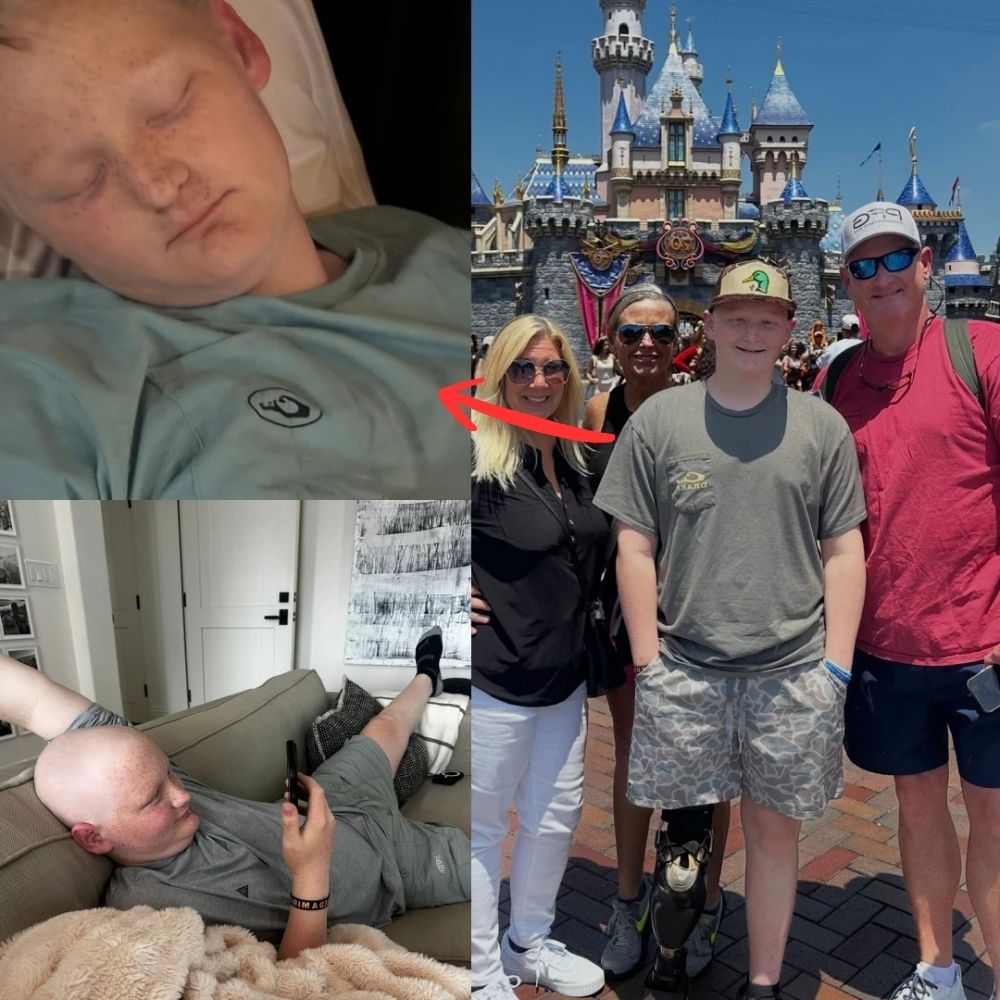
Then he wrote a private message for his mother.
It contained only a few words:
“Please keep laughing after me.”
Rebecca read the sentence several times.
She could not imagine laughter existing in a world without her son.
But Ethan understood her better than she realized.
He knew grief would make her feel guilty for surviving.
He wanted to release her from that guilt before he left.
The Final Evening
The last evening arrived quietly.
Rain moved across the hospital windows.
Ethan’s father sat beside the bed.
Lily placed photographs near his pillow.
His grandparents prayed softly in the corner.
Rebecca climbed carefully onto the edge of the bed and rested beside him.
She began telling stories.
She reminded him of the time he rode his bicycle into a hedge and blamed the road.
She talked about his first soccer goal.
She described the fishing trip where he dropped their lunch into the lake.
At first, Ethan smiled.
Then he grew too tired to respond.
Still, Rebecca kept speaking.
She wanted him to hear a lifetime of love in her voice.
The Final Hug
Shortly before midnight, Ethan opened his eyes.
He looked directly at his mother.
His lips moved, but she could not hear him.
She leaned closer.
“Hug me.”
The words were faint.
Rebecca carefully moved beside him.
She placed one arm beneath his shoulders and pulled him gently against her chest.
Ethan rested his head below her chin.
For a moment, he was no longer a fifteen-year-old boy weakened by cancer.
He was her baby again.
The newborn who had slept against her heartbeat.
The toddler who reached for her after falling.
The child who climbed into her bed during storms.
His hand moved slowly across her sleeve until his fingers closed around the fabric.
He held on.
Rebecca closed her eyes and rocked him gently.
No one else in the room spoke.
The Detail That Broke Every Heart
As Rebecca held him, Ethan whispered something only she could hear.
“Don’t let me go alone.”
Her entire body shook.
“You are not alone,” she told him. “I’m right here.”
Then Ethan placed his hand over her heart.
His fingers were weak, but the intention was unmistakable.
“Is this where I stay?” he asked.
Rebecca covered his hand with hers.
“Yes,” she whispered. “You stay right here.”
That was the detail she kept private for weeks.
The world knew about Ethan’s courage.
They knew about the cancer, the treatments, and the prayer campaigns.
They did not know that during his final hug, he asked whether his place inside his mother would remain after his body was gone.
For Rebecca, the question captured the deepest fear shared by both of them.
Ethan feared disappearing.
She feared forgetting how it felt to hold him.
In that moment, they promised each other neither would happen.
Go Be With Jesus
Ethan’s breathing became slower.
Rebecca knew he was waiting.
Not for a doctor.
Not for another treatment.
For permission.
He had spent nineteen months fighting partly because he did not want to leave his family.
Now he needed to know they would survive.
Rebecca pressed her lips against his forehead.
“You have done enough,” she whispered.
“You have been so brave.”
“You don’t have to keep fighting for us.”
Mark placed a hand on his son’s shoulder.
Lily cried quietly beside him.
Rebecca felt every instinct inside her screaming to hold on.
But love had changed.
Love no longer meant asking him to remain.
It meant setting him free from the belief that he had to stay for her.
She closed her eyes.
“Go be with Jesus, my sweet boy.”
Her voice broke.
“You can rest now.”
His Final Breath
Ethan’s fingers remained over his mother’s heart.
His breathing softened.
Rebecca continued speaking.
She told him he was loved.
She told him he had changed their lives.
She told him that nothing—not illness, distance, or dєatᩚh—could remove him from their family.
A few minutes later, Ethan took his final breath.
He remained in his mother’s arms.
The room became silent.
The machines no longer demanded attention.
No one looked at the clock.
Rebecca continued holding him.
She whispered the same words she had used when he was a baby.
“Mommy’s here.”
“You’re safe.”
“I love you.”
The Morning After
The next morning, thousands of people waited for an update.
Rebecca stared at her phone for a long time.
How could she describe what had happened?
How could she reduce fifteen years of life to a few paragraphs?
Eventually, she wrote:
“Our beautiful boy is no longer in pain. He left this world surrounded by love, prayer, and the arms that first held him. We are heartbroken, but we are grateful that his final moments were peaceful.”
She did not mention his question.
“Is this where I stay?”
That detail belonged to her.
At least for a while.
Why She Finally Shared the Story
Weeks later, Rebecca spoke privately with another mother whose child was approaching the end of a terminal illness.
The woman asked how she had found the courage to say goodbye.
Rebecca answered honestly.
“I didn’t feel courageous. I felt broken.”
Then she told her about the final hug.
She explained how Ethan had placed his hand over her heart.
How he had asked whether he would remain there.
The other mother began crying.
“That’s what I need my daughter to know,” she said. “That leaving doesn’t mean disappearing.”
Rebecca realized then that Ethan’s final question could comfort families beyond their own.
She shared the story publicly.
Thousands responded.
Parents who had lost children wrote that they understood.
Mothers described holding clothing, photographs, or blankets because they still remembered the weight of their children in their arms.
Many repeated the same message:
Love does not end when the body does.
A Family’s Faith After Loss
Faith did not remove the Miller family’s grief.
They continued asking difficult questions.
Why had healing not come?
Why had a child suffered?
Why had prayers been answered differently from what they begged for?
Their faith did not provide simple explanations.
It gave them a place to carry the questions.
Mark returned often to the hospital chapel where he had prayed during treatment.
This time, he did not ask for strength to save Ethan.
He asked for strength to live in a way that honored him.
Lily wore her brother’s sweatshirt until the sleeves became worn.
Rebecca kept the notebook beside her bed.
Some nights, she read the sentence again.
“Please keep laughing after me.”
At first, laughter felt impossible.
Then one day, Mark told a story about Ethan blaming a bicycle accident on the road.
The family laughed.
A second later, Rebecca cried.
But she did not apologize.
Grief and joy had begun learning how to exist together.
Love Meant Letting Go
Rebecca would always struggle with the phrase “letting go.”
She had not let go of Ethan.
She had let go of the demand that his body continue suffering because she was not ready for life without him.
That distinction mattered.
Her final words were not surrender.
They were a gift.
She gave him permission to rest.
She assured him that he did not have to protect her anymore.
She promised that his place inside her would remain.
The Boy Beyond the Illness
In the months after Ethan’s dєatᩚh, Rebecca worked carefully to preserve the memories that had nothing to do with cancer.
She collected photographs of muddy soccer games.
She saved videos of his terrible jokes.
She wrote down stories from teachers and friends.
She kept one pair of shoes beside his bedroom door because that was where he had always left them.
The family established a small fund in his honor to help parents remain near hospitalized children.
The first time the fund paid for a family’s hotel room, Rebecca sat in her car and cried.
Ethan had wanted that.
His kindness was still moving through the world.
Some Goodbyes Never Truly End
The words “Go be with Jesus” remained the hardest sentence Rebecca ever spoke.
They were also the purest expression of her motherhood.
For nineteen months, she fought for more time.
In the final hour, she fought for Ethan’s peace.
She held him when medicine had nothing left to offer.
She allowed her heartbeat to become the last familiar sound beneath his hand.
And when he asked whether he would remain inside her, she gave him the only promise strong enough to carry both of them through the goodbye.
“Yes. You stay right here.”
Ethan’s life ended at fifteen.
His place in his family did not.
He remained in the unfinished bicycle in the garage.
In the sweatshirt worn by his sister.
In the soccer number passed to another player.
In the hospital rooms where struggling families received help because of his final wish.
And most of all, he remained where he had asked to stay.
Inside the heart of the mother who loved him enough to hold on for nineteen months—and, in the final moment, loved him enough to let him rest.
💔 STELLA PARTON BREAKS HER SILENCE — What She Said About Dolly’s Health Has Fans Looking Back
Dolly Parton’s Sister Breaks Silence What Really Happened - GMT - G1
Stella Parton was born May 4, 1949, the sixth of twelve children raised by Robert Lee and Avie Lee Parton in Sevierville, Tennessee — a household defined by noise, limited money, and almost no privacy, the kind of environment that produced strong, determined personalities.
Stella was one of them.
By seven, she was appearing alongside her older sister Dolly on a Knoxville television program; by her teens, she was writing her own songs, though marriage and motherhood pulled music to the margins of her life for a stretch.
The dream never fully disappeared.

In 1967, she recorded a gospel album with her mother and sisters, and later worked clubs in Washington, D.C., before founding her own record label in 1975 and releasing “I Want to Hold You in My Dreams Tonight,” which climbed to number nine on the country charts.
Long before any of that commercial success, Stella had already shown a willingness to take positions others avoided.
At 26, amid backlash against Australian singer Olivia Newton-John for winning recognition in country music, Stella recorded “Ode to Olivia” in her defense — a stand that offered her no career benefit and real risk of criticism, but one she took anyway simply because she believed staying silent was the wrong choice.
That instinct defined the rest of her career: hits like “The Danger of a Stranger” and “Steady as the Rain” (written by Dolly) built a genuine, independent following, including in the U.K., while Stella also worked in New York theater and spoke openly, often controversially, about poverty, domestic violence, and the treatment of women in the music industry.
She was named the Christian Country Music Association’s Female Vocalist of the Year in 2004.
Through all of it, she remained defined publicly, more often than not, as simply “Dolly’s little sister” — a label she spent five decades quietly proving didn’t tell the full story.
That same directness is why her comments in the fall of 2025 carried real weight.
Stella had never positioned herself as the family’s image manager or spokesperson; she was, by reputation, someone who believed difficult truths shouldn’t stay hidden indefinitely.
What she described wasn’t dramatic or accusatory — it was a portrait of a woman who had spent years prioritizing everyone else’s needs over her own.
The context mattered.
Carl Dean, Dolly’s husband of nearly sixty years, died in March 2025 at 82, after a long illness during which Dolly had devoted herself almost entirely to his care.
She later acknowledged that in the process, she’d neglected her own health significantly.
The loss reverberated through the whole extended family — the Partons had lost three brothers in the years surrounding this period, compounding grief that, for a family that had once crowded twelve children into a single small home, meant losing pieces of a shared childhood one after another.
Stella herself went seven years without releasing new music during this stretch, later describing the period simply as one shaped by sorrow, while still speaking about the importance of finding moments of laughter within it.
Looking back, one moment reads very differently in hindsight than it did at the time: in late September 2025, Dolly postponed her planned Las Vegas residency, citing health challenges — a rare cancellation for a performer whose six-decade career had included very few of them.
At the time, most fans treated it as a minor, temporary setback.
Stella’s later reflections suggested the signs had actually been building for some time, visible to family in ways the public smile made easy to miss.
That concern crystallized publicly not long after, when Dolly’s younger sister Frieda posted a simple request on Facebook asking fans to pray for Dolly.
What looked at first like an ordinary, well-meaning gesture spread rapidly, sparking widespread speculation about how serious Dolly’s condition actually was.
Dolly herself responded directly within days, appearing in a video from a Grand Ole Opry commercial shoot, insisting with her familiar humor that she wasn’t finished yet — the now widely remembered “I ain’t dead yet” moment that briefly quieted public concern.
In the months that followed, the pattern repeated: reassuring updates about kidney stones, dehydration, and treatment, paired with continued work on new projects, right up until Dolly Parton’s death on August 25, 2026, at 80.
Looking back across that full timeline — the postponed residency, the family’s public worry, Stella’s own account of a sister who consistently deprioritized her own wellbeing — it becomes easier to see what the people closest to Dolly understood well before the rest of the world did: that the warmth and resilience the public saw every time she appeared on camera came at a real, largely invisible cost.