Lawmakers Introduce Landmark Bill to Protect U.S. Constitution
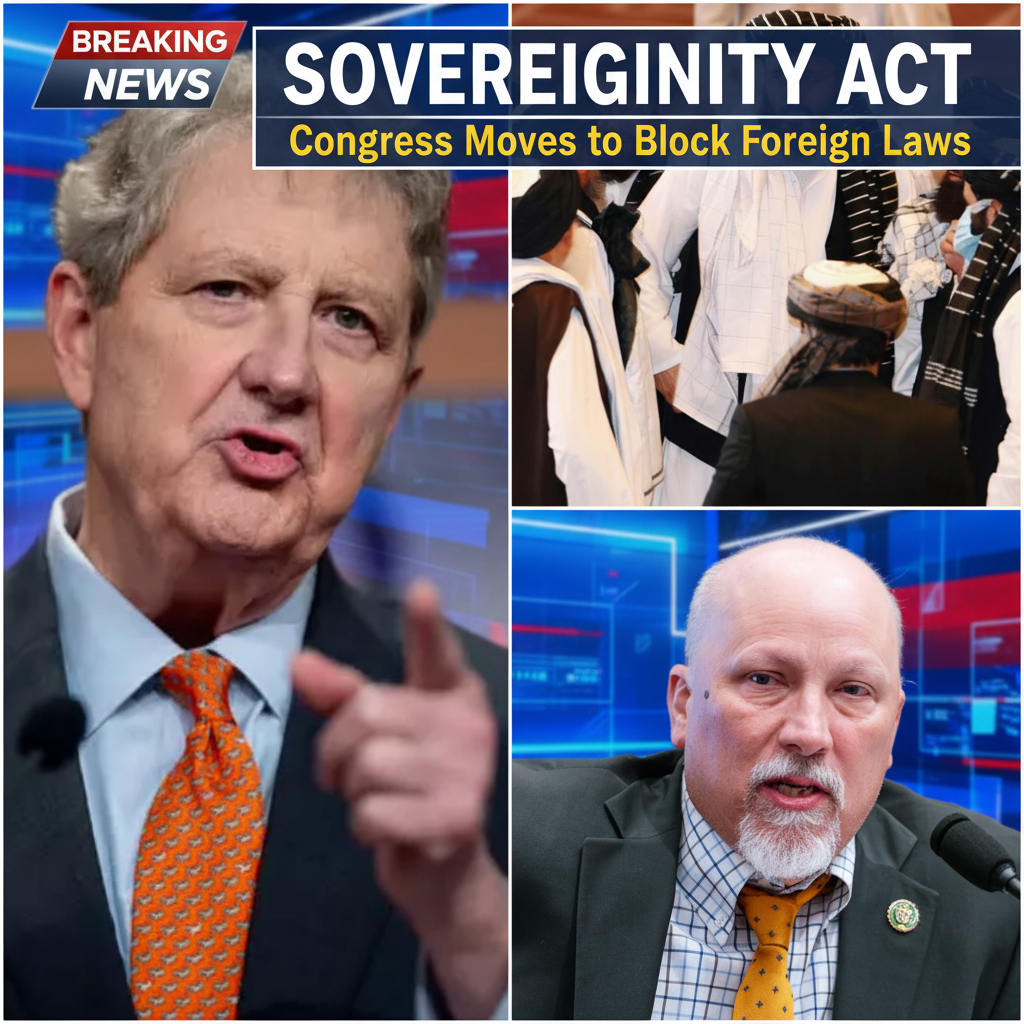
In a significant move that has sent shockwaves through the halls of Congress, Representative Chip Roy and Senator John Neely Kennedy have officially introduced the U.S. Courts Act of 2025. Better known as the “American Sharia Freedom Act,” the bill has quickly become a focal point of national debate regarding the intersection of foreign law and American sovereignty.
Protecting the Supremacy of the U.S. Constitution
The core objective of the legislation is to prohibit federal courts from enforcing any foreign legal systems that conflict with the U.S. Constitution. This specifically targets foreign systems rooted in Sharia law, which the bill’s sponsors describe as incompatible with American civil law and individual rights. Senator Kennedy stated that the bill establishes a “red line” against foreign doctrines, while Representative Roy positioned the act as a defense against what he termed “foreign encroachment.”
Public Opinion and Political Divide
Despite the intense debate in Washington, public opinion appears to lean toward the new legislation. Key findings include:
- A recent poll shows that 68% of Americans support the American Sharia Freedom Act.
- Support is highest among Republicans and Independents, reflecting concerns over national identity.
- Progressive lawmakers, however, have labeled the bill as divisive and potentially discriminatory.
Potential Constitutional Implications
Critics, including Representative Ilhan Omar, argue that the bill could lead to religious discrimination and may violate the First Amendment’s Establishment Clause. There are concerns that excluding specific religious-based principles could set a legal precedent affecting religious pluralism in the United States.
The Path Forward
As the bill moves through the 2025 Congressional session, it is expected to face rigorous legal challenges and scrutiny from civil rights organizations. Whether the act passes or not, it has already redefined the conversation surrounding the role of foreign influence in American legal proceedings and the preservation of constitutional integrity.