The 3-Million-Page Gap: Raskin Challenges DOJ Over Epstein Files
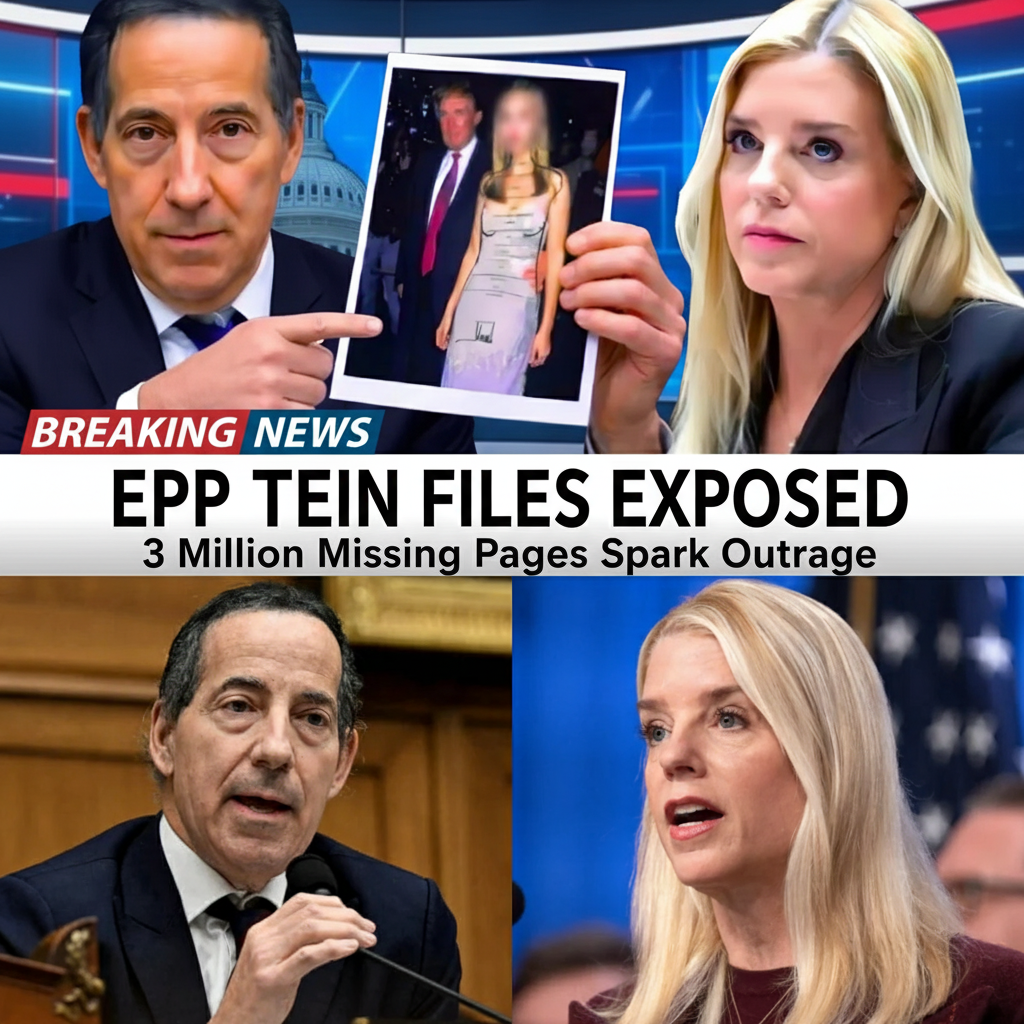
In a high-intensity congressional hearing, Representative Jamie Raskin (D-MD) delivered a forensic interrogation of Attorney General Pam Bondi regarding the Department of Justice’s handling of the Jeffrey Epstein investigation. The primary focus of the session was a staggering discrepancy involving three million ‘missing’ documents that have yet to be released to Congress.
A Documented Void
Raskin pointed out that while federal subpoenas required the production of 6 million documents, only half have been turned over. The Department has claimed the remaining files are ‘duplicative,’ a justification Raskin rejected, arguing that the missing pages likely contain critical victim statements and internal memos necessary to expose the full scope of Epstein’s network of enablers.
Victim Privacy vs. Perpetrator Protection
The interrogation took a sharp turn when Raskin accused the DOJ of ‘staggering incompetence’ regarding redactions. He alleged that while the identities of over 1,000 victims were inadvertently exposed, the names of high-profile abusers and co-conspirators remained shielded from public view. “You published their identities for the world to see,” Raskin stated, framing the actions as a reversal of legal and ethical requirements.
Internal Fractures at the DOJ
The hearing also highlighted significant internal turmoil within the Department of Justice. Raskin cited the recent resignations of high-profile prosecutors who reportedly refused to follow orders they deemed compromised. A scathing letter from one departing official was read into the record, suggesting a deep-seated resistance to what some call the politicization of the department.
- Missing Evidence: 3 million documents remain withheld from congressional oversight.
- Victim Impact: Survivors demand a full accounting and better privacy protections.
- Institutional Fallout: Multiple prosecutor resignations signal internal discord.
As the hearing concluded, the demand for transparency remained the central theme. With grand juries and congressional committees continuing to press for answers, the investigation into the Epstein network remains one of the most contentious legal battles in Washington today.