Congressional Confrontation Over Investigative Transparency
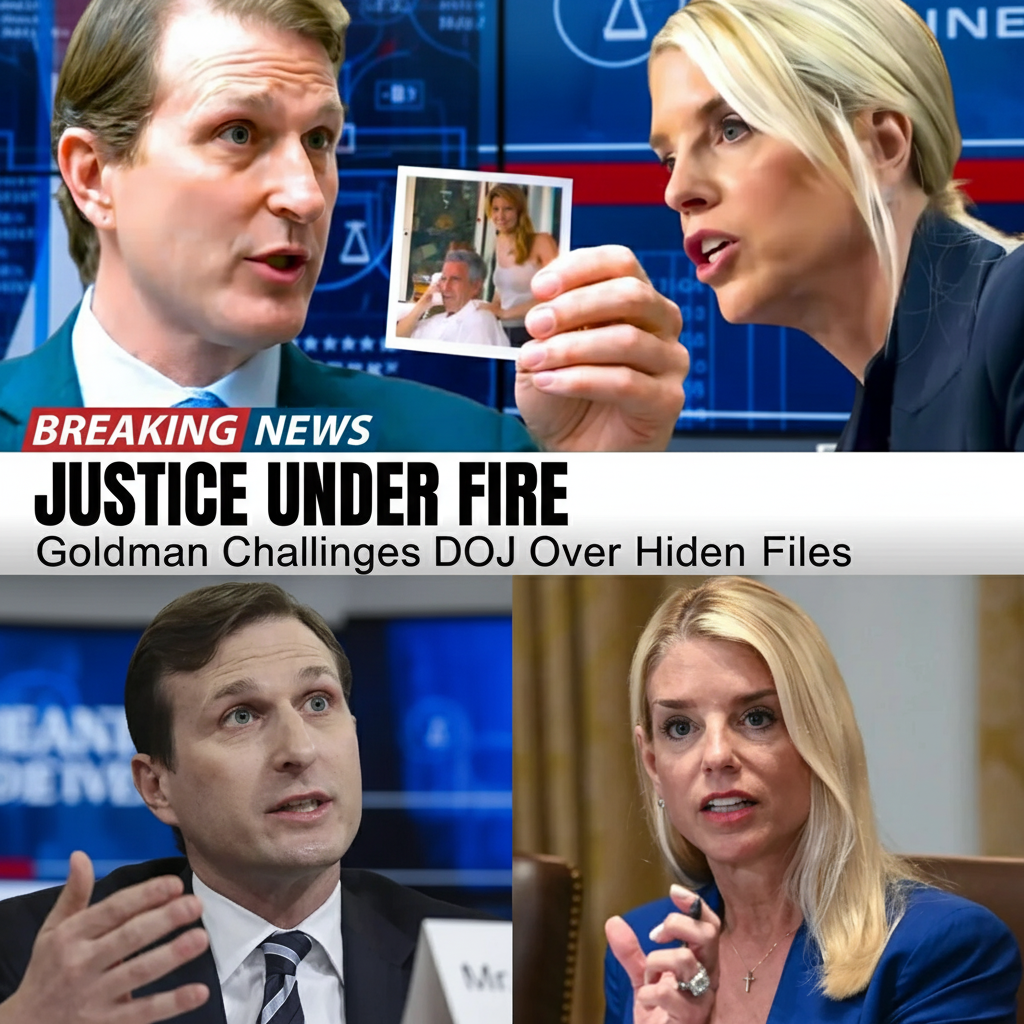
WASHINGTON — In a recent congressional hearing, Representative Dan Goldman (D-NY) challenged Attorney General Pam Bondi regarding the transparency of high-profile investigative files. The session, which shifted from routine oversight to a significant legal confrontation, focused on allegations of improper redactions and the mishandling of sensitive records.
The Disputed Email Exchange
At the heart of the dispute is a specific email exchange between key figures in a major federal investigation. Representative Goldman alleges that this communication was shielded from public view under a false claim of attorney-client privilege. Goldman, a former federal prosecutor, argued that because the exchange occurred between two private associates, no such privilege should apply, and the information belongs in the public domain.
Inconsistencies in Privacy Protection
The hearing also addressed the handling of a list containing the names of 32 survivors. Goldman pointed out a startling anomaly: 31 names were left visible while only one specific name was redacted. He suggested that this selective redaction could be interpreted as a targeted effort rather than a clerical error, potentially leading to the intimidation of those who have come forward.
Witness Testimony Concerns
In a dramatic moment during the hearing, Goldman addressed individuals in the gallery who were connected to the case. He highlighted a discrepancy between the Department of Justice’s claims and the experiences of these individuals, many of whom indicated they had attempted to provide evidence but were reportedly ignored or turned away by officials.
- Goldman claims key documents remain hidden from the public.
- Allegations of selective redaction raise questions about witness safety.
- Survivors indicate a willingness to testify despite administrative hurdles.
As the oversight cycle continues, the demand for the release of the remaining investigative documents persists. The Department of Justice maintains that the review process is ongoing and attributes any inconsistencies to the high volume of records being processed.