“WILL IS EVERYWHERE WE ARE” — THE VERIFIED STORY OF WILL ROBERTS, THE ALABAMA TEEN WHO INSPIRED THOUSANDS
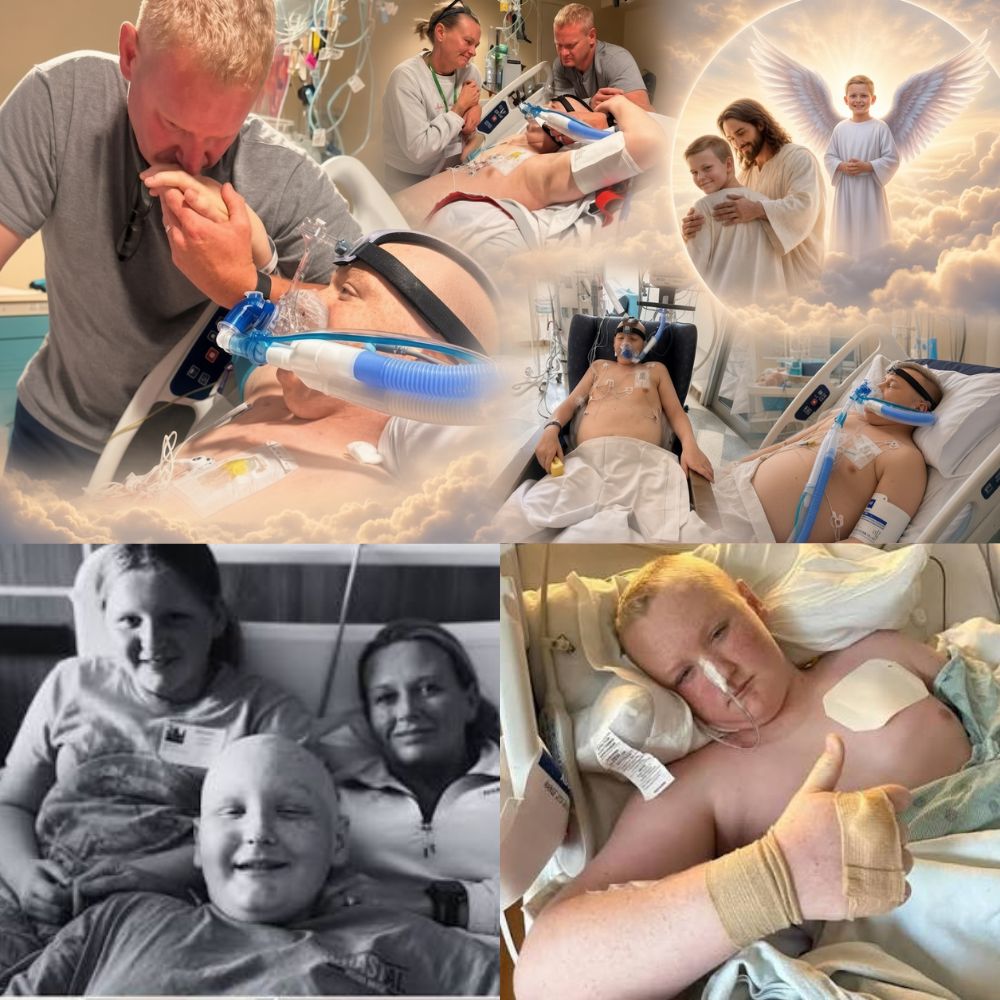
Topic sentence: Will Roberts’ story became far bigger than one teenager’s struggle with cancer: his determination to seek one more treatment option united communities, reached national leaders, and left a legacy that Alabama formally honored after his passing.
Fact-check note: The underlying story of Will Roberts, his illness, treatment, passing, funeral and the statewide tribute is well documented. However, as of August 10, 2026, I could not independently verify the exact viral quote “Will is everywhere we are” or the claim that a newly shared photo “moved thousands to tears” through a reliable news report or an indexed public post from his mother. Therefore, the article below includes only details that can be supported by identifiable sources.
A 15-Year-Old Whose Story Reached Far Beyond Alabama
William Britton “Will” Roberts was a 15-year-old from Ralph, a small community in Tuscaloosa County, Alabama. He had been battling stage 4 osteosarcoma, an aggressive form of bone cancer, since January 2025. His illness and his family’s frequent updates gradually attracted a large following, but his story exploded nationally in the spring of 2026.
Will’s mother, Brittney Battles Roberts, and father, Jason Roberts, openly documented many parts of their son’s journey. Local reporting described a teenager who loved fishing, hunting and sports, while his illness increasingly limited the activities that had once filled his life.
Then Will decided to speak for himself.
The Secret Facebook Video That Changed Everything
On April 22, 2026, Will used his mother’s Facebook account without first telling her and recorded a video asking people to help his message reach President Donald Trump or Health and Human Services Secretary Robert F. Kennedy Jr.
Will explained that chemotherapy was no longer working and that his family was running out of conventional options. He was particularly interested in gaining access to DeltaRex-G, a treatment his family had researched but that was not readily available to him in Alabama.
The appeal spread rapidly online.
According to WBRC/Gray reporting, the family soon heard from lawmakers and Dr. Mehmet Oz. Will’s father later credited Oz with helping connect the family to people involved with the treatment.
What made Will’s appeal particularly memorable was that he was not talking only about himself. Reporting on his statements showed that he hoped increased attention to experimental therapies might eventually help other children with osteosarcoma as well.
A New Chance in California
The Roberts family traveled to California, where Will began receiving DeltaRex-G treatment at a facility in Santa Monica in early May 2026. Contemporary reporting said that his first treatment took place around May 5.
His mother continued sharing updates as the family moved between appointments and treatments. At the time, there was enormous optimism among the people following Will online, even as his family remained realistic about how serious his condition was.
Will’s father told reporters that the family understood his chances were extremely limited, but their Christian faith remained central to how they faced the situation.
The treatment journey also made Will a symbol for families seeking additional options after standard therapies fail. Churches, strangers and communities around the country began following his updates and praying for him.His Condition Eventually Worsened
Despite the enormous effort surrounding Will’s treatment, his disease continued progressing.
By July, he was hospitalized at Rady Children’s Hospital in San Diego. His mother later explained that the disease had shown further progression in his brain and was affecting his mєntal capacity. Brittney and Jason ultimately made the extraordinarily difficult decision to transition their son toward comfort-focused care.
Will passed away shortly after midnight on July 23, 2026, at age 15.
His mother said the time was approximately 12:45 a.m. Central Time. The date carried another deeply personal meaning: July 23 was Brittney’s birthday.
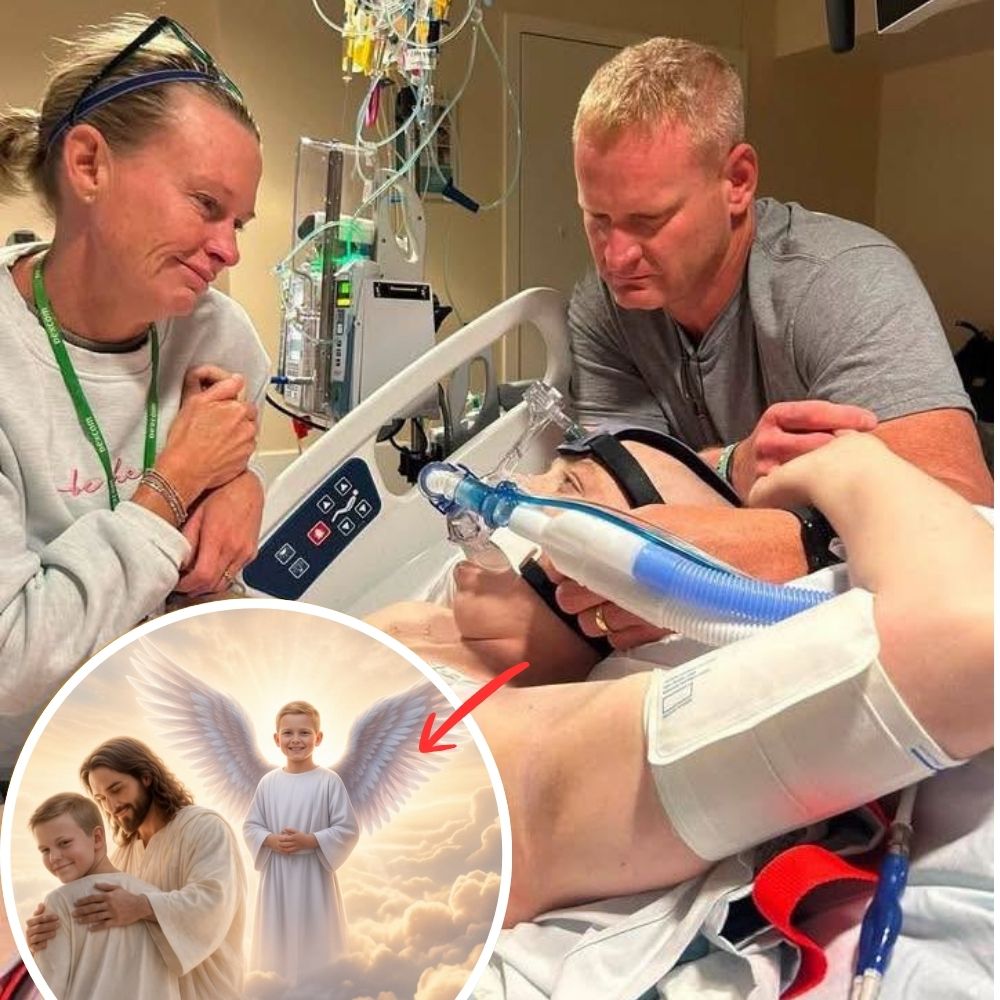
In announcing her son’s passing, Brittney used an expression that had special significance after his long treatment journey, saying that Will was finally ringing his “forever cancer free bell.”
She also emphasized that cancer was never the entirety of her son’s identity. She remembered his humor, personality and ability to encourage other people even while enduring an extremely difficult illness.
Thousands Mourned a Teenager Many Had Never Met
Will’s impact became especially visible after his passing.
WBRC reported that people who had followed his story from across the country felt as though they had lost someone they personally knew. Prayer vigils and gatherings were organized as supporters remembered the teenager whose videos they had watched for months.
One supporter told the station that Will had made an impact that might never be fully understood. That reaction reflected something unusual about his story: thousands of people had become emotionally invested in a teenager from rural Alabama whom they had never met in person.
Alabama Governor Kay Ivey also publicly mourned Will and described him as a courageous young man who had inspired the state.
Alabama Declares “Will Roberts Day”
The tribute soon became official.
Governor Ivey proclaimed August 1, 2026, “Will Roberts Day” in Alabama, recognizing his courage, faith and influence on people throughout the state and beyond. The governor’s statement noted that Will had fought osteosarcoma for more than a year and a half and that his online appeal had helped bring national attention to his attempt to access additional treatment.
August 1 was also the day Will’s funeral was held.
A public visitation took place at Shelton State Community College Gymnasium in Tuscaloosa, followed by his funeral service at noon. He was then laid to rest at Wesley Chapel Cemetery in Ralph, Alabama.
That meant his funeral was not simply a private family moment. It became a community farewell to a teenager whose journey had touched people far outside Tuscaloosa County.
What About the New “Will Is Everywhere We Are” Photo?
This is where it is important to distinguish confirmed reporting from viral social-media framing.
The headline now circulating —
“JUST DAYS AFTER LAYING THEIR SON TO REST, WILL ROBERTS’ MOTHER SHARES THE PHOTO THAT HAS MOVED THOUSANDS TO TEARS” — fits the timeline because Will was buried on August 1 and his mother has historically shared family updates on Facebook. Reliable reporting also confirms that Brittney Battles Roberts’ Facebook account has been one of the primary sources for authentic updates about Will.
However, searches of current indexed news reports and publicly searchable material did not produce reliable confirmation of the exact sentence “Will is everywhere we are,” nor enough evidence to verify which specific post-funeral photograph the viral headline is referring to.
For that reason, it would be inaccurate to present those two elements as independently verified facts at this time.
What is firmly documented is arguably just as powerful: Will Roberts was a real 15-year-old Alabama teenager; he really battled stage 4 osteosarcoma; he really made a viral appeal for access to another treatment option; he received treatment in California; his condition later worsened; he passed away at Rady Children’s Hospital; thousands followed and mourned him; and Alabama officially designated the day of his funeral Will Roberts Day.
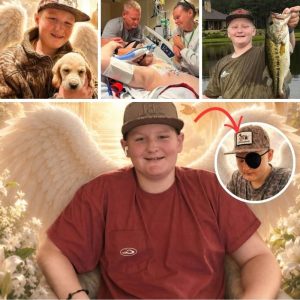
The photographs above come from reporting and public material credited to Brittney Battles Roberts, Tuscaloosa Thread, the Roberts family’s fundraising campaign and coverage of Will’s treatment journey.
The strongest sources for this story include WBRC/Gray Television, which followed Will’s treatment and reported his passing; People, which documented his national impact and his mother’s announcement; local Alabama reporting on his funeral; and the Office of Alabama Governor Kay Ivey, whose announcement established Will Roberts Day.
I can also turn this verified information into a 1,000-word emotional news article or a viral English Facebook post with a strong BREAKING headline and “Full story in the comments” ending, while keeping every claim factual.
💔 STELLA PARTON BREAKS HER SILENCE — What She Said About Dolly’s Health Has Fans Looking Back
Dolly Parton’s Sister Breaks Silence What Really Happened - GMT - G1
Stella Parton was born May 4, 1949, the sixth of twelve children raised by Robert Lee and Avie Lee Parton in Sevierville, Tennessee — a household defined by noise, limited money, and almost no privacy, the kind of environment that produced strong, determined personalities.
Stella was one of them.
By seven, she was appearing alongside her older sister Dolly on a Knoxville television program; by her teens, she was writing her own songs, though marriage and motherhood pulled music to the margins of her life for a stretch.
The dream never fully disappeared.
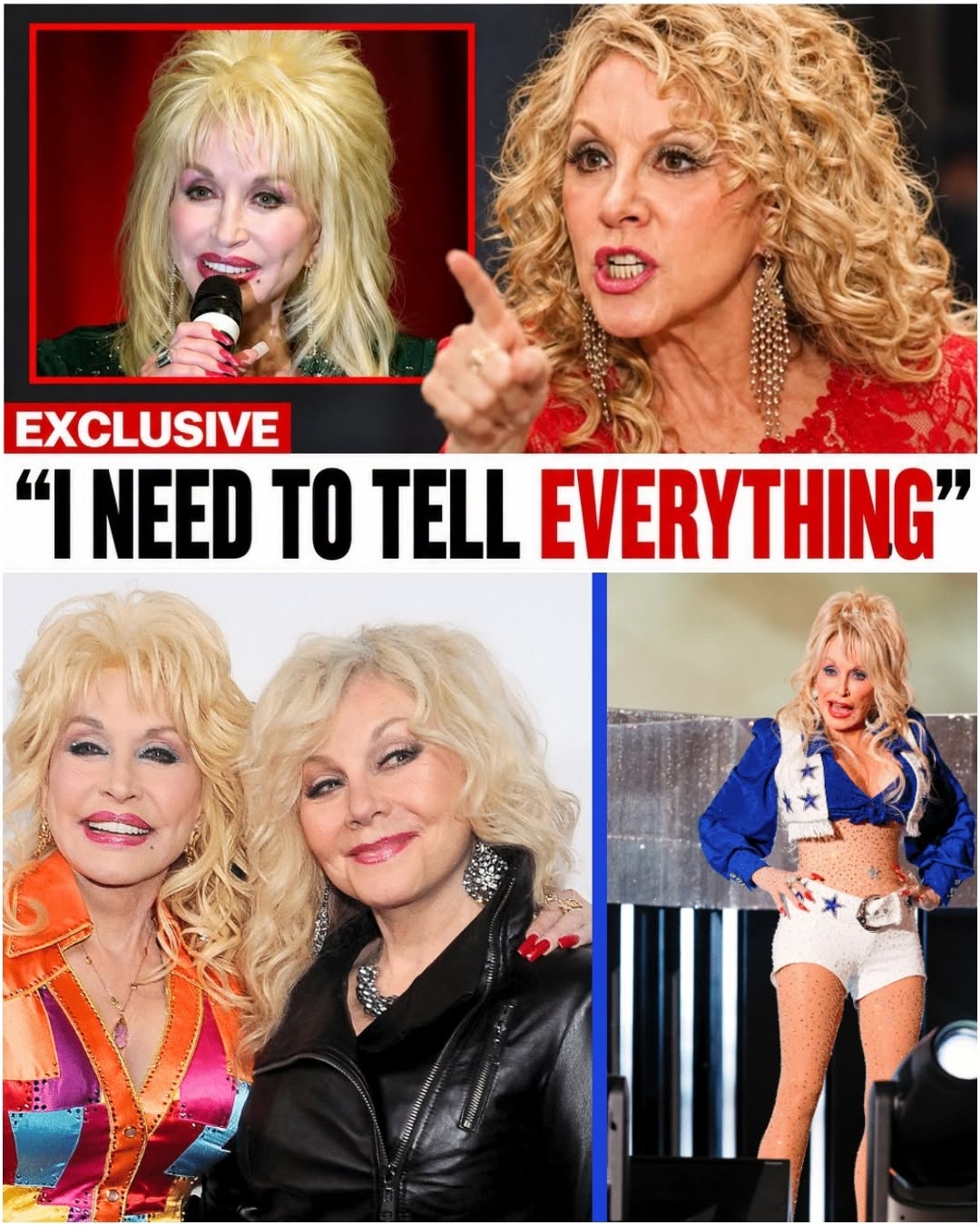
In 1967, she recorded a gospel album with her mother and sisters, and later worked clubs in Washington, D.C., before founding her own record label in 1975 and releasing “I Want to Hold You in My Dreams Tonight,” which climbed to number nine on the country charts.
Long before any of that commercial success, Stella had already shown a willingness to take positions others avoided.
At 26, amid backlash against Australian singer Olivia Newton-John for winning recognition in country music, Stella recorded “Ode to Olivia” in her defense — a stand that offered her no career benefit and real risk of criticism, but one she took anyway simply because she believed staying silent was the wrong choice.
That instinct defined the rest of her career: hits like “The Danger of a Stranger” and “Steady as the Rain” (written by Dolly) built a genuine, independent following, including in the U.K., while Stella also worked in New York theater and spoke openly, often controversially, about poverty, domestic violence, and the treatment of women in the music industry.
She was named the Christian Country Music Association’s Female Vocalist of the Year in 2004.
Through all of it, she remained defined publicly, more often than not, as simply “Dolly’s little sister” — a label she spent five decades quietly proving didn’t tell the full story.
That same directness is why her comments in the fall of 2025 carried real weight.
Stella had never positioned herself as the family’s image manager or spokesperson; she was, by reputation, someone who believed difficult truths shouldn’t stay hidden indefinitely.
What she described wasn’t dramatic or accusatory — it was a portrait of a woman who had spent years prioritizing everyone else’s needs over her own.
The context mattered.
Carl Dean, Dolly’s husband of nearly sixty years, died in March 2025 at 82, after a long illness during which Dolly had devoted herself almost entirely to his care.
She later acknowledged that in the process, she’d neglected her own health significantly.
The loss reverberated through the whole extended family — the Partons had lost three brothers in the years surrounding this period, compounding grief that, for a family that had once crowded twelve children into a single small home, meant losing pieces of a shared childhood one after another.
Stella herself went seven years without releasing new music during this stretch, later describing the period simply as one shaped by sorrow, while still speaking about the importance of finding moments of laughter within it.
Looking back, one moment reads very differently in hindsight than it did at the time: in late September 2025, Dolly postponed her planned Las Vegas residency, citing health challenges — a rare cancellation for a performer whose six-decade career had included very few of them.
At the time, most fans treated it as a minor, temporary setback.
Stella’s later reflections suggested the signs had actually been building for some time, visible to family in ways the public smile made easy to miss.
That concern crystallized publicly not long after, when Dolly’s younger sister Frieda posted a simple request on Facebook asking fans to pray for Dolly.
What looked at first like an ordinary, well-meaning gesture spread rapidly, sparking widespread speculation about how serious Dolly’s condition actually was.
Dolly herself responded directly within days, appearing in a video from a Grand Ole Opry commercial shoot, insisting with her familiar humor that she wasn’t finished yet — the now widely remembered “I ain’t dead yet” moment that briefly quieted public concern.
In the months that followed, the pattern repeated: reassuring updates about kidney stones, dehydration, and treatment, paired with continued work on new projects, right up until Dolly Parton’s death on August 25, 2026, at 80.
Looking back across that full timeline — the postponed residency, the family’s public worry, Stella’s own account of a sister who consistently deprioritized her own wellbeing — it becomes easier to see what the people closest to Dolly understood well before the rest of the world did: that the warmth and resilience the public saw every time she appeared on camera came at a real, largely invisible cost.