A Historic Crisis: The US-Canada Diplomatic Standoff
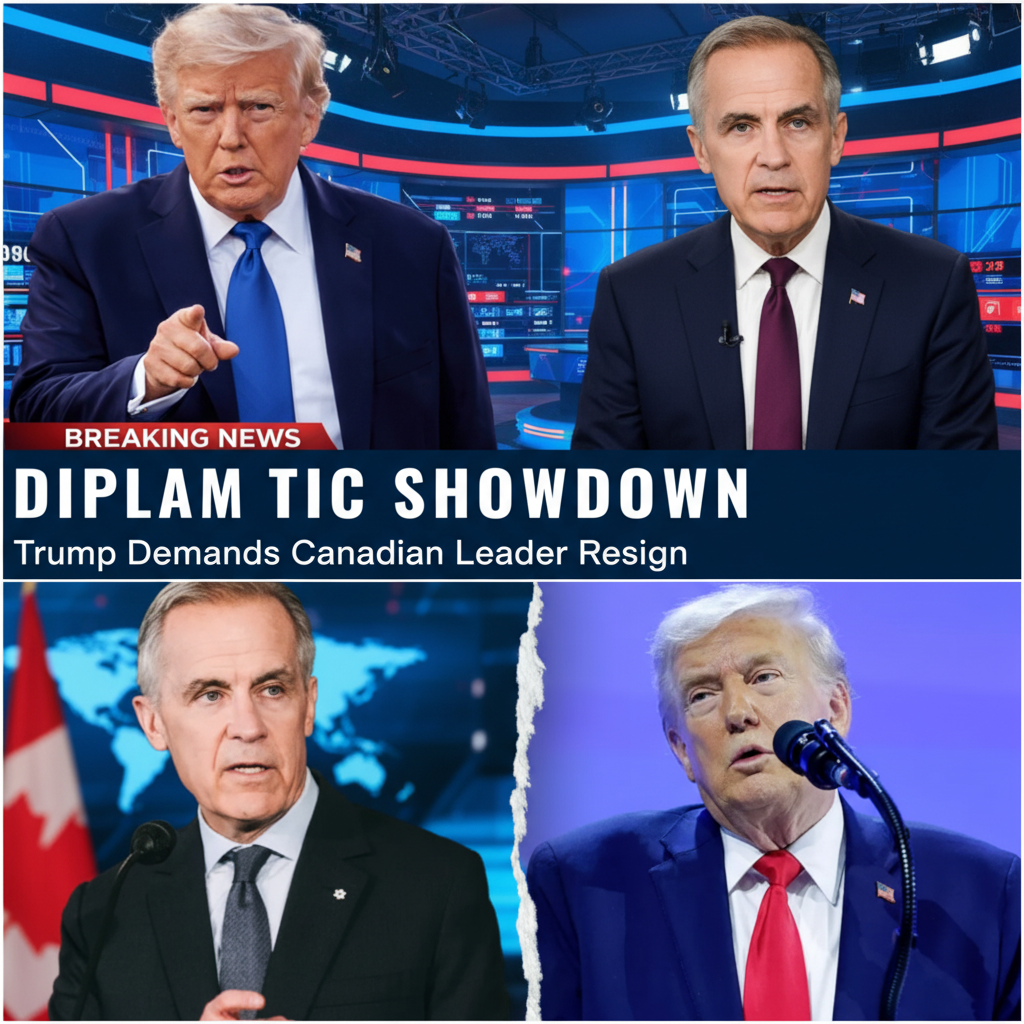
A major diplomatic confrontation has emerged between the United States and Canada following a private demand from President Trump for Prime Minister Mark Carney to resign. This move has been characterized by Canadian officials as an unacceptable intrusion into their democratic system, sparking one of the most significant tensions between the two allies in recent history.
The Ultimatum and Canada’s Defiance
The dispute escalated during a brief but confrontational phone call. Reports indicate that the U.S. President criticized Canada’s economic policies, specifically regarding interest rates. An ultimatum was delivered: step aside within 48 hours or face sweeping financial measures. However, Prime Minister Carney remained firm, asserting that Canada is a sovereign nation whose leadership is determined by its own citizens through free elections.
Economic Repercussions and the Economic Weapon
In response to the friction, Canada has prepared retaliatory measures. While Washington considers tariffs on steel and lumber, Ottawa has identified sensitive agricultural targets. Interestingly, the tension has triggered a shift in Canadian consumer behavior. New data shows a record surge in domestic spending as citizens redirect travel and retail funds inward. This demand displacement is acting as a natural buffer, strengthening the domestic hospitality and manufacturing sectors against external pressure.
- Sovereignty: Canada rejects foreign interference in its democratic process.
- Retaliation: Targeted tariffs are being prepared for U.S. exports.
- Resilience: Domestic tourism and Buy Canadian movements are surging.
As both nations navigate this volatile period, the long-term impact on North American cooperation remains to be seen. Analysts suggest that while trade remains deeply intertwined, the current shift toward economic resilience may permanently alter the bilateral relationship.