A Strategic Pause in the North
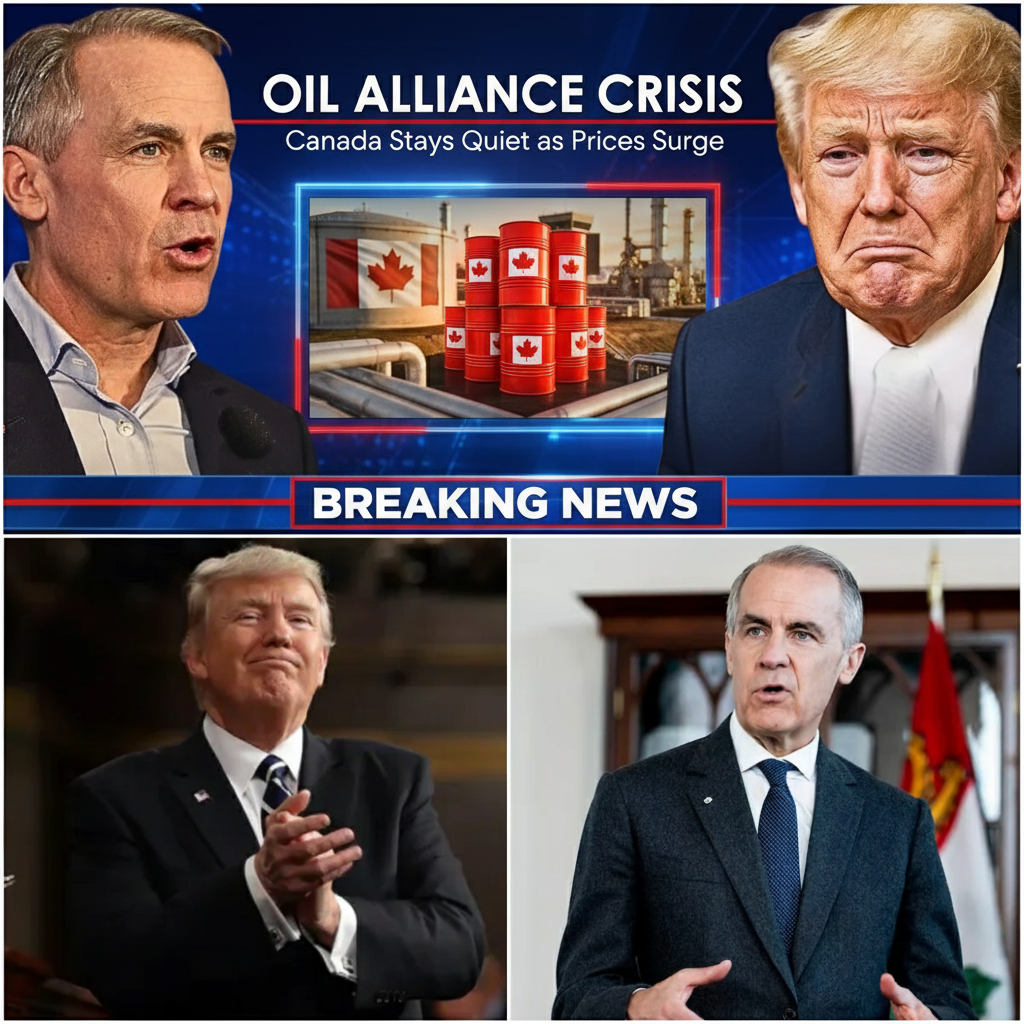
The global energy landscape is facing a major test as tensions in the Persian Gulf send oil prices skyrocketing past $110 per barrel. With the Strait of Hormuz facing disruptions, the United States is looking toward its closest allies, specifically Canada, for a coordinated market intervention.
The Hormuz Factor
Reports of naval mines in one of the world’s most critical shipping lanes have rattled traders from New York to Tokyo. The Strait of Hormuz carries nearly 20% of the world’s oil supply, making any threat to the passage a direct hit to global financial stability. In response, Washington is exploring the release of strategic petroleum reserves to soften the economic impact on consumers.
Canada’s Calculated Response
As the largest foreign supplier of oil to the U.S., Canada holds a unique position of power. However, Ottawa has remained cautious. Analysts suggest several factors are behind this silence:
- Economic Incentives: Higher prices increase revenue for Canadian producers.
- Global Strategy: Canada is balancing its commitments to the U.S. with growing demand in Asian markets.
- Policy Alignment: Long-term climate goals and trade disputes continue to influence diplomatic decisions.
A Test of the Alliance
For decades, the partnership between the U.S. and Canada was seen as an automatic shield against energy volatility. Today, that assumption is being re-evaluated. While Canadian officials haven’t rejected the idea of cooperation, their lack of immediate action indicates a more independent approach to energy security. As the crisis deepens, the world is watching to see if this historic alliance will bend or break under the pressure of a shifting global market.