Senate Rejects Measure to Restrict Presidential Military Power Against Iran
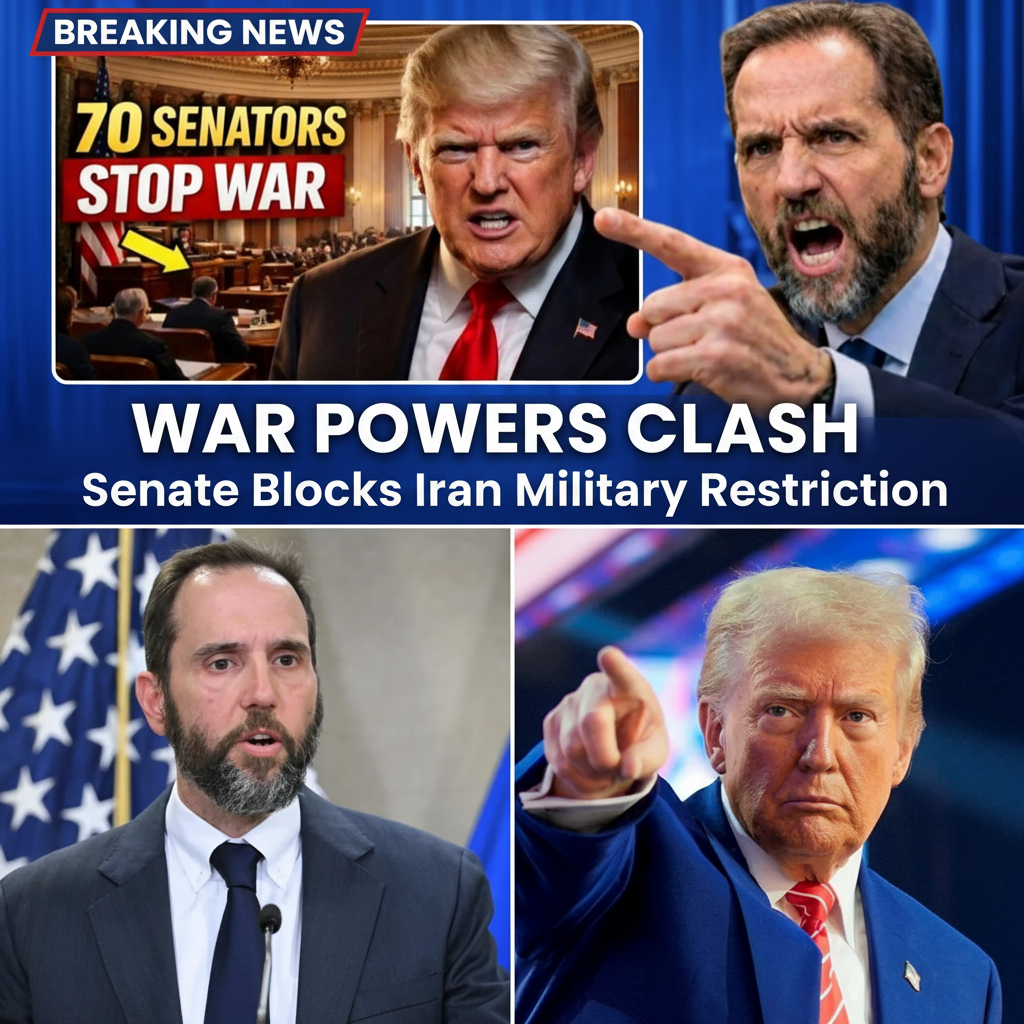
A heated debate over the War Powers Resolution and executive authority has gripped the United States Senate. Lawmakers recently considered a measure designed to limit the president’s ability to launch military operations against Iran without explicit authorization from Congress. The proposal, spearheaded by Senator Tim Kaine, aimed to reclaim the legislative branch’s constitutional role in deciding when the nation enters a conflict.
Constitutional Authority vs. Executive Flexibility
The debate centered on a fundamental constitutional tension: while Congress holds the power to declare war, the president serves as the commander-in-chief. Supporters of the resolution argued that major military decisions require broad democratic support and careful deliberation to prevent the U.S. from being drawn into another long-term Middle Eastern conflict.
On the other hand, opponents argued that the measure would tie the president’s hands during times of international tension. They emphasized that the executive branch must retain the ability to respond rapidly to emerging threats against American forces and allies abroad.
Results of the Senate Vote
The procedural vote ended in a 53–47 defeat for the resolution, failing to advance in the chamber. The voting followed a sharp partisan divide:
- Republicans: Mostly opposed the measure, citing national security concerns.
- Democrats: Mostly supported the measure, seeking greater oversight.
- Notable Exceptions: Republican Senator Rand Paul voted in favor of the restriction, while Democratic Senator John Fetterman voted against it.
Impact on Future Policy
Despite the failure of the vote, the discussion revealed a growing unease among lawmakers regarding the scope of presidential war powers. Since the 1973 War Powers Resolution, Congress has struggled to maintain oversight as modern conflicts often evolve faster than legislative processes. For now, the executive branch maintains its current level of flexibility, but the conversation surrounding military authority in the Middle East is far from over.