Senator Kennedy Demands Accountability in Senate Judiciary Hearing
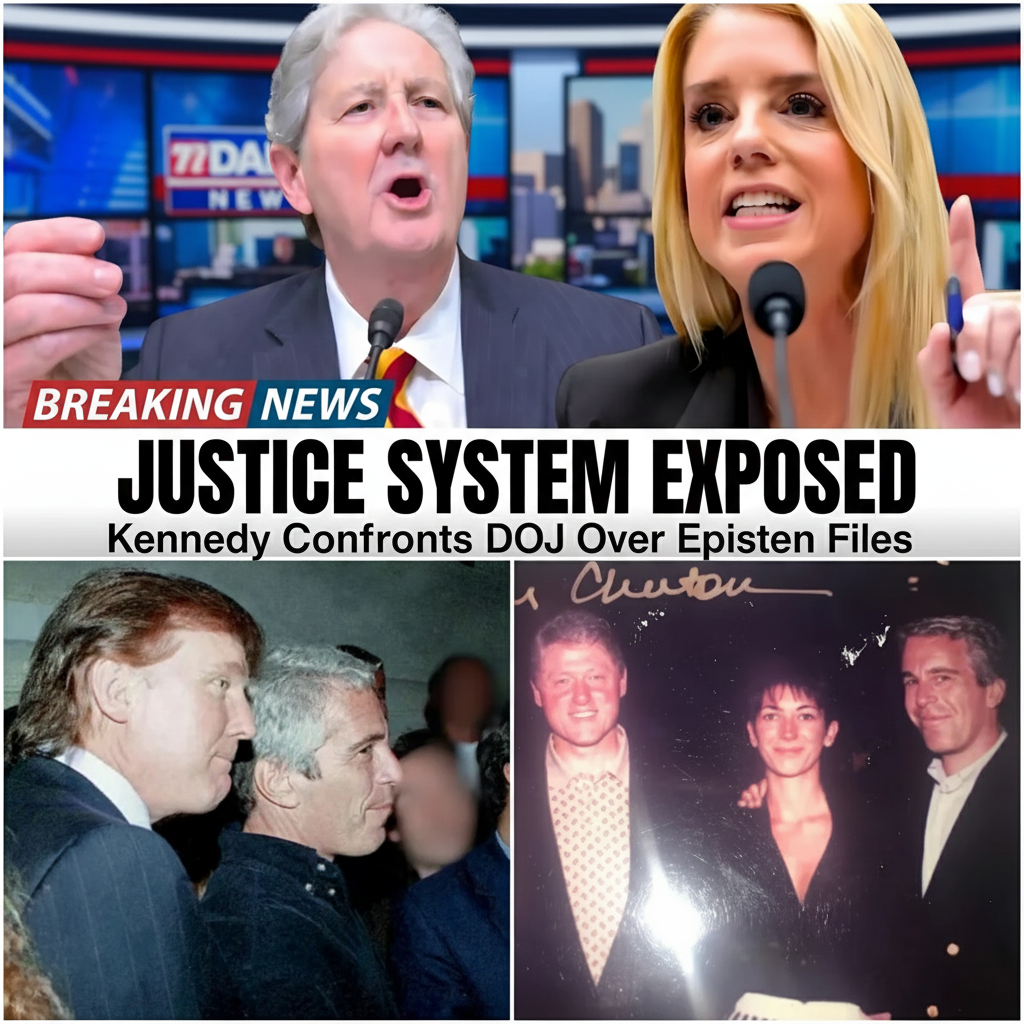
In a high-stakes session of the Senate Judiciary Committee, Senator John Kennedy (R-LA) delivered a methodical interrogation regarding the Department of Justice’s investigative priorities. The confrontation centered on a perceived double standard: the Department’s aggressive pursuit of political targets versus its seemingly passive stance toward the Jeffrey Epstein network.
The Subpoena Gap and Institutional Power
Senator Kennedy pressed Attorney General Pam Bondi on the legal thresholds required to obtain the phone records of sitting United States senators. By establishing that the DOJ and FBI possess the authority to seize records from the highest-ranking lawmakers, Kennedy highlighted the glaring absence of such aggression in the Epstein investigation.
- The Subpoena Power: Kennedy questioned why this power is used selectively.
- The Lutnick Admission: Commerce Secretary Howard Lutnick previously labeled Epstein the “greatest extortionist ever,” yet the DOJ admitted it had not interviewed him regarding these claims.
- Missing Evidence: Concerns were raised about hidden cameras and potential compromises of powerful individuals.
A Two-Tier System of Justice?
Analysts noted that the most damaging aspect of the exchange was the psychological framing of a two-tier justice system. Kennedy argued that while the DOJ can move quickly against telecommunications companies for political records, it has remained curiously stalled on the Epstein files. “I don’t want this to get swept under the rug,” Kennedy warned, pointing to potential liability for federal agents who may have ignored leads.
The Quest for Transparency Continues
The hearing concluded not with a resolution, but with a formal challenge to the Department’s integrity. Despite the release of millions of pages under transparency acts, committee members pointed to missing names and unexplained redactions that continue to fuel public skepticism. As the oversight cycle continues, the failure to follow through on public claims of criminal conspiracy remains a defining point of contention in Washington.