A Routine Hearing Turns Into a Political Firestorm
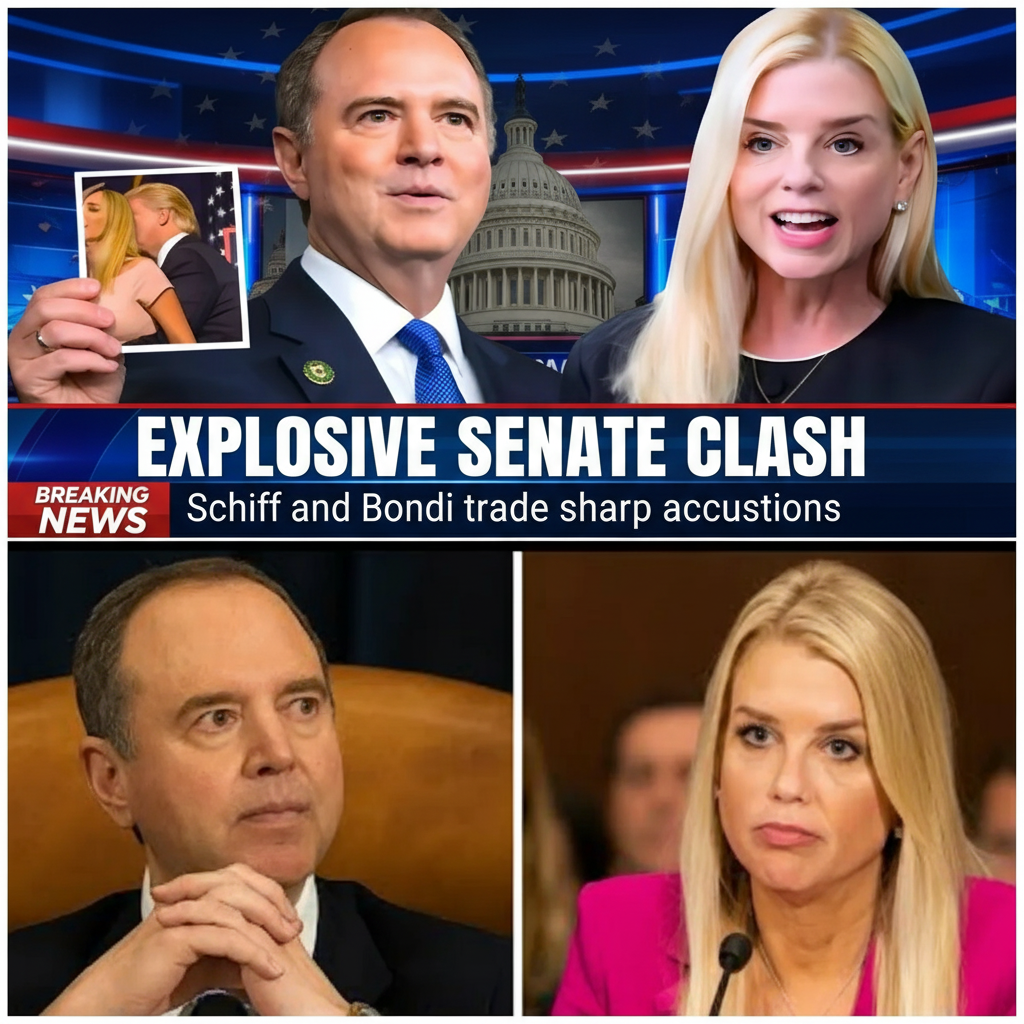
A standard oversight session on Capitol Hill took a dramatic turn this week as Senator Adam Schiff and Attorney General Pam Bondi engaged in a fierce verbal battle. What was expected to be a series of bureaucratic inquiries quickly escalated into a high-profile confrontation over the future and integrity of the U.S. Justice Department.
Sharp Accusations and Growing Tension
Senator Schiff opened the proceedings with a tone reminiscent of a prosecutor, questioning the neutrality of the Department of Justice. He raised concerns about institutional independence, suggesting that political loyalties might be influencing law enforcement decisions. The most pointed questions focused on reports of alleged cash payments involving a senior immigration official—a claim Bondi stated had been previously investigated and cleared by authorities.
- Questions regarding DOJ independence and transparency.
- Allegations of financial irregularities involving government officials.
- Inquiries into the handling of investigative files related to the Jeffrey Epstein case.
Bondi Strikes Back
Attorney General Pam Bondi maintained a measured composure throughout the initial questioning but eventually shifted to a direct counterattack. She accused Schiff of attempting to generate viral headlines rather than seeking factual truth. Bondi also pointed to Schiff’s own history of congressional criticism, turning the institutional debate into a personal and political clash that resonated across the hearing room.
The Epstein Files Controversy
The tension reached a peak when Schiff shifted the focus to the long-standing controversy surrounding investigative records connected to Jeffrey Epstein. While Bondi cited standard department policy regarding sensitive cases to decline specific comments, the exchange highlighted a deep divide over public transparency versus investigative discretion. As clips of the hearing circulate globally, the event underscores the growing polarization in modern governance, where even routine oversight can become a battlefield for competing political narratives.