Uncertainty Clouds Global Trade Following Landmark US Ruling
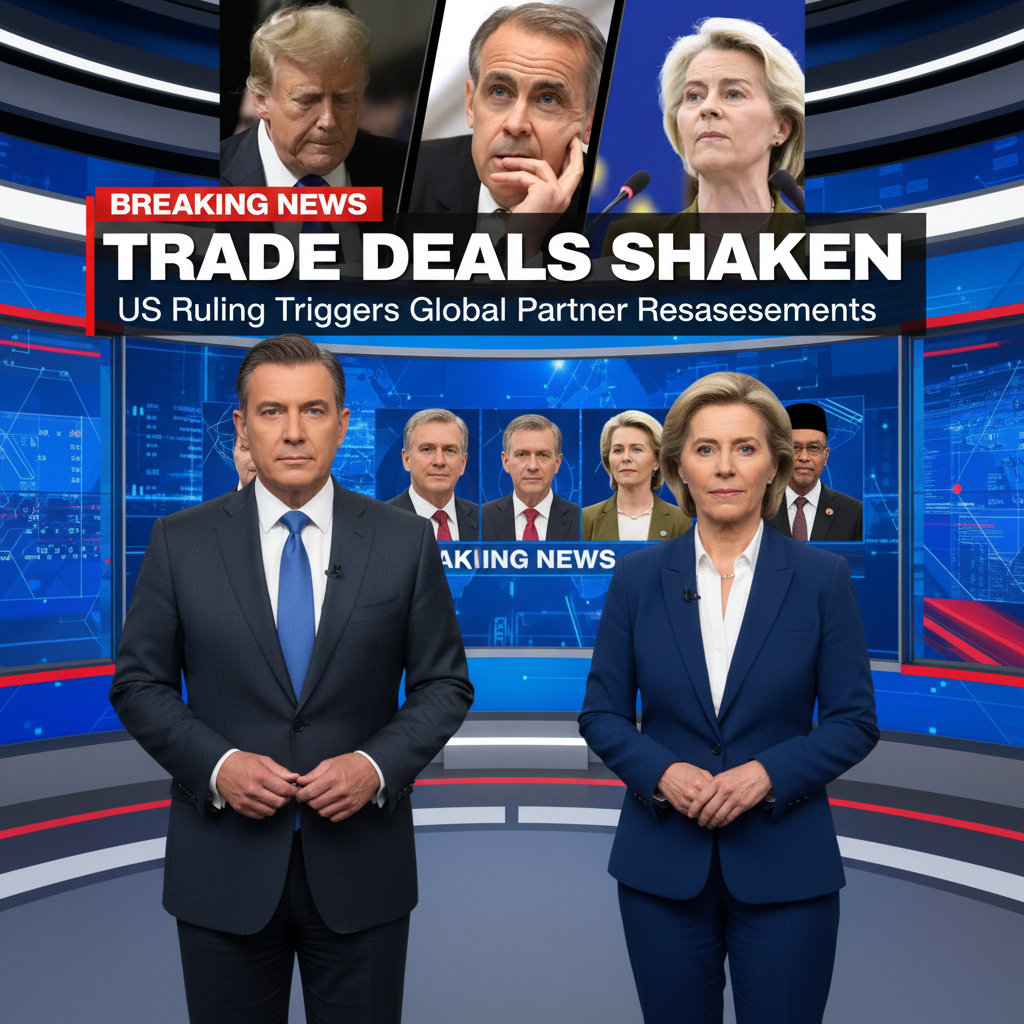
International trade negotiations have entered a period of significant volatility following a United States court ruling that has prompted major partners to reconsider their economic commitments. The legal decision, which questions the framework of certain emergency tariffs, is creating a ripple effect across global markets.
Malaysia Leads Strategic Reassessment
Recent reports suggest that Malaysia has begun scaling back its participation in specific trade understandings with Washington. Officials indicate that the shift comes after a legal determination altered the tariff landscape that served as the foundation for previous discussions. Without the original incentives and predictable duty rates, many nations are finding that prior concessions no longer serve their national interests.
Wider Implications for Global Powerhouses
The development is being monitored closely by other major trading entities, including:
- The European Union: Reevaluating export strategies and industrial policy.
- India: Assessing the impact on manufacturing incentives.
- Japan and South Korea: Analyzing potential disruptions to complex electronics and automotive supply chains.
The Erosion of Negotiating Trust
Trade specialists emphasize that the most damaging aspect of this shift may not be the tariffs themselves, but the loss of predictability. International agreements often require years of compromise; when the legal basis of those deals is challenged, the trust necessary for future cooperation is undermined. Global manufacturers, who rely on cross-border component movements, now face the prospect of rising costs and logistical hurdles. As nations wait for further policy clarity, the focus shifts toward maintaining stability in an increasingly fragmented global trade environment.