
Shocking Twist in the Tunchanok Donhomla Murder Case: Australian Suspect’s Mental Illness Claim Rocks Thailand as Public Fury Erupts Over ‘Get-Out-of-Jail-Free’ Defence
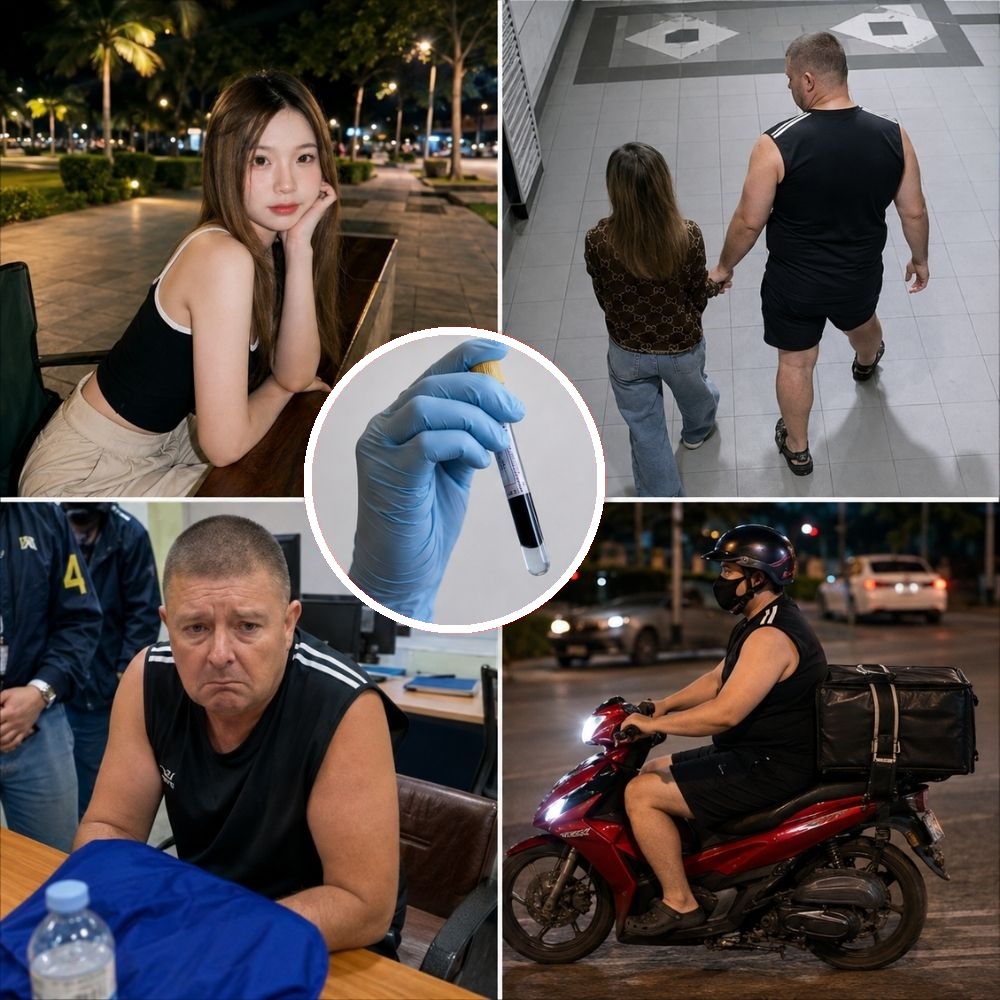
In a bombshell development that has sent shockwaves through Thailand and beyond, fresh details from the investigation into the horrific murder of 17-year-old Tunchanok Donhomla – whose naked body was found stuffed inside a suitcase dumped near railway tracks in Pattaya – have emerged. The accused, Australian national Simon Peter Carman, 45 or 46, is now reportedly leaning on a mental illness diagnosis in what critics are slamming as a desperate “fake indictment” tactic to dodge the ultimate punishment.
Will this revelation allow the alleged cold-blooded killer to escape Thailand’s notoriously harsh justice system and the death penalty? Or is it a calculated ploy as confessions trickle out? As the victim’s devastated family demands execution and the public boils with outrage, questions swirl: Can society ever forgive such brutality if mental fragility is proven – or will this case expose deeper flaws in how foreign suspects game the system?
The Tragic Night That Shattered a Family
Tunchanok Donhomla, affectionately known as “Cake” or “Nong Cake” to her loved ones, was a bright-eyed teenager from Kalasin province in northeastern Thailand. An only child who helped her father sell garlands and fruit at roadside intersections, she had arrived in the bustling resort city of Pattaya just a week earlier, reportedly for a holiday with a friend.
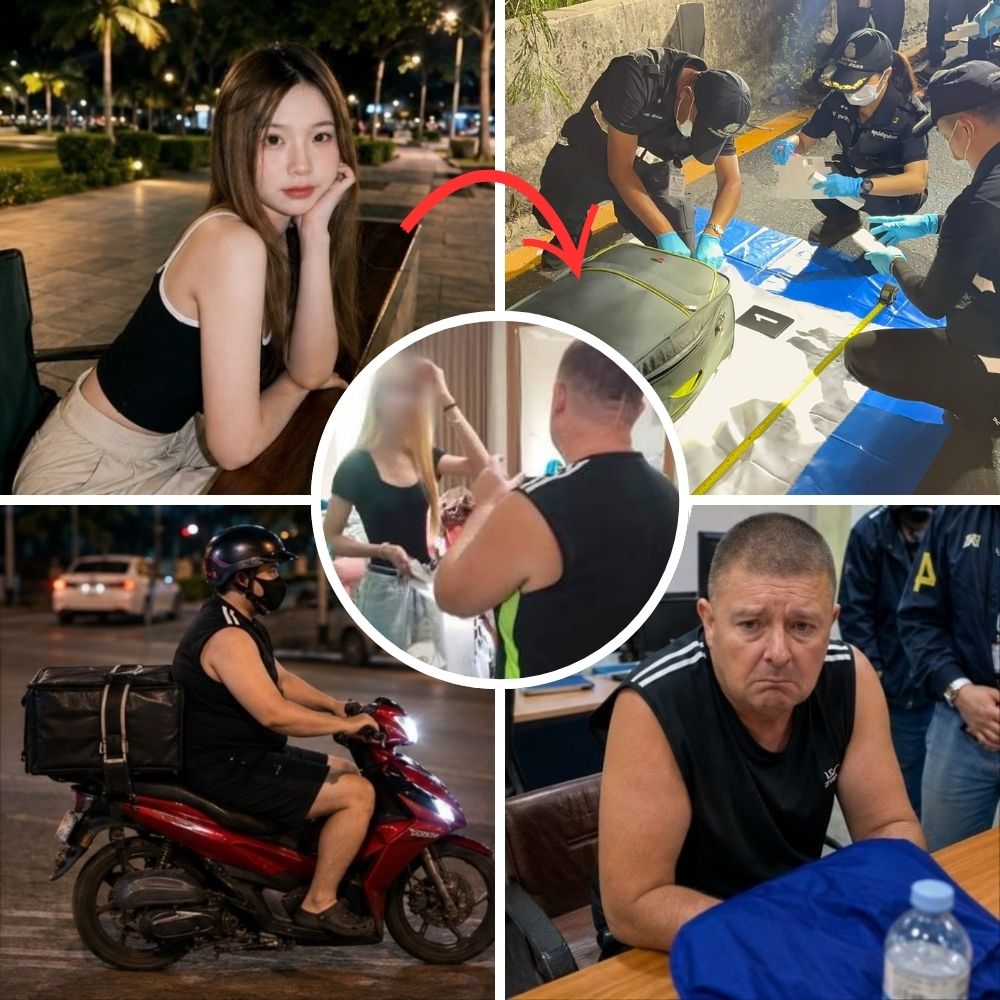
On the fateful night of June 25, 2026, the 17-year-old was captured on chilling CCTV and mobile footage walking along Beach Road – a notorious stretch in Pattaya’s red-light district – with Carman. Her friend, alarmed, filmed the pair and later alerted authorities when Tunchanok failed to return.
Hours later, in the early hours of June 27, her body was discovered inside a suitcase abandoned beside railway tracks. Police described a gruesome scene: the teenager’s remains showed signs of strangulation, broken teeth, swelling, and bruises consistent with a violent struggle. Autopsy results confirmed she had been killed before being concealed and transported on a motorbike.
Carman, a truck driver from the Perth area in Australia (originally from Ballarat, Victoria), was arrested at Bangkok’s Suvarnabhumi Airport as he allegedly attempted to flee back home. Scratch marks on his body told a story he initially tried to dismiss as “spider bites.”
Carman’s Shifting Stories and the Alleged Confession
According to Pattaya police, Carman initially denied everything. But confronted with overwhelming CCTV evidence showing him dragging the heavy suitcase, his account allegedly began to crumble. He reportedly admitted to picking up the teenager for paid sexual services, agreeing on 1,000 baht (around £23 or A$43), but claimed a dispute over money escalated.
In one version shared with investigators, Tunchanok allegedly came at him with a knife during the argument in his rented condo. He said he strangled her in self-defence, unintentionally killing her, then panicked – first hiding the body in the bathroom, then stuffing it into the suitcase before dumping it. Police noted inconsistencies, pointing to blunt force injuries that didn’t align perfectly with his self-defence narrative.
Now, in the latest bombshell update rocking the case, sources close to the investigation reveal that Carman has introduced claims of mental illness. Medical evaluations reportedly suggest underlying conditions that could impact his culpability. Thai law allows for psychiatric assessments in serious cases, potentially leading to reduced charges or treatment over imprisonment if diminished responsibility is established.
This twist has immediately overturned the legal landscape. With Thailand retaining the death penalty for murder – especially heinous cases involving minors – defence lawyers are said to be pushing hard on this angle. Prosecutors, meanwhile, are scrutinising whether it’s genuine or a sophisticated evasion tactic now that partial confessions have surfaced.
Victim’s Family Demands Justice: ‘I Want Him Executed’
Tunchanok’s family has been left reeling. Her father, Thongchai Donhomla, has insisted the legal process run its course without accepting any compensation from the accused. Great-aunt Mee Boonsert has been vocal, calling for the death penalty if Carman is found guilty. The family cremated her body and laid her ashes to rest in a Buddhist temple ceremony back in Kalasin, surrounded by a grieving community.
“She was a good girl who helped her family. She didn’t deserve this,” relatives have told media outlets, painting a picture of a resilient young woman who faced a tough life but smiled through it. Her final messages to friends, now public, add to the heartbreak – innocent plans shattered in one brutal night.
The family has ruled out any financial settlement, emphasising justice over money. “A life for a life,” some have echoed in public statements, reflecting widespread sentiment in Thailand where such crimes against young women ignite fierce calls for retribution.
Public Outrage Explodes: Is Mental Illness a ‘Ticket’ to Freedom?
As news of the mental health angle spreads like wildfire across Thai social media, forums, and international comment sections, the backlash is ferocious. Many locals and expats in Pattaya – a city long associated with sex tourism – see it as yet another example of foreigners exploiting loopholes.
“Typical! Kill a Thai girl and suddenly you’re ‘mentally ill’ to avoid the needle,” ranted one popular Thai Facebook group post that garnered thousands of shares. Others question the timing: “He starts confessing bits and pieces, then boom – diagnosis. Coincidence?”
Public opinion appears overwhelmingly sceptical of the “fake indictment” or diminished capacity defence. Hashtags like #JusticeForTunchanok and #DeathForCarman trend, with users sharing graphic details of the crime scene and demanding transparency on any psychiatric reports. Some fear it sets a dangerous precedent, potentially encouraging similar claims in future cases involving tourists.
Pattaya’s sex worker community has also voiced fears, with the case highlighting vulnerabilities in the industry. Broader discussions rage about safety for young women in tourist hotspots and the accountability of foreign visitors who treat Thailand as a playground without consequences.
International reactions mirror the fury. Australian media coverage has been extensive, with many expressing shame over one of their nationals. Commenters online demand extradition or full Thai prosecution without leniency. “Mental illness doesn’t erase premeditation – the suitcase disposal shows calculation,” argued one viral thread.
Yet, a smaller contingent urges caution: “If he’s truly ill, treat him – but don’t let him walk free. Justice must balance mercy with accountability.” Psychologists and legal experts interviewed in Thai outlets stress that genuine mental health issues deserve consideration, but only with rigorous, independent verification to prevent abuse.
Background on the Accused: A Life in the Shadows?
Carman, described in reports as a truck driver, had been living in Pattaya. Police found limited evidence in his condo initially, but the trail of digital and surveillance footage proved decisive. Links to other potential “suitcase” cases have been floated but not confirmed.
His defence team has yet to publicly detail the exact nature of the alleged mental illness, but whispers include possible personality disorders or trauma-related conditions. Thai courts often appoint experts for such evaluations, with outcomes potentially leading to indefinite psychiatric care rather than execution or long prison terms.
Critics argue this could be a “sophisticated plot” – confess just enough to humanise the narrative while planting seeds of doubt on intent. With the case still in early stages, no trial date set, the coming months will test Thailand’s justice system under intense scrutiny.
Broader Implications: Sex Tourism, Safety, and Systemic Issues
The Donhomla tragedy has thrust Pattaya’s underbelly into the spotlight once more. Famed for its beaches, nightlife, and booming tourism post-pandemic, the city faces renewed questions about protecting vulnerable visitors and residents amid a shadowy economy.
Advocates call for stricter regulations on short-term rentals, better monitoring of at-risk youth, and international cooperation on fugitive suspects. For Tunchanok’s family and the Thai public, it’s personal – a stark reminder that one night out can end in unimaginable horror.
As investigations continue, including any psychiatric deep-dive, the world watches. Will mental fragility become the “ticket” that spares Carman the harshest penalties? Or will evidence of brutality and calculated cover-up ensure justice prevails?
The victim’s smiling face in photos – full of life and potential – haunts those following the case. Her family clings to memories; the public demands answers. In Thailand, where forgiveness is cultural but outrage at child harm runs deep, forgiveness seems a distant prospect unless overwhelming proof sways opinion.
This case isn’t just about one man and one girl. It’s about power imbalances, accountability for outsiders, and whether a diagnosis can truly rewrite a nightmare. As comments flood in and updates trickle, one thing is clear: societal outrage shows no signs of subsiding.